
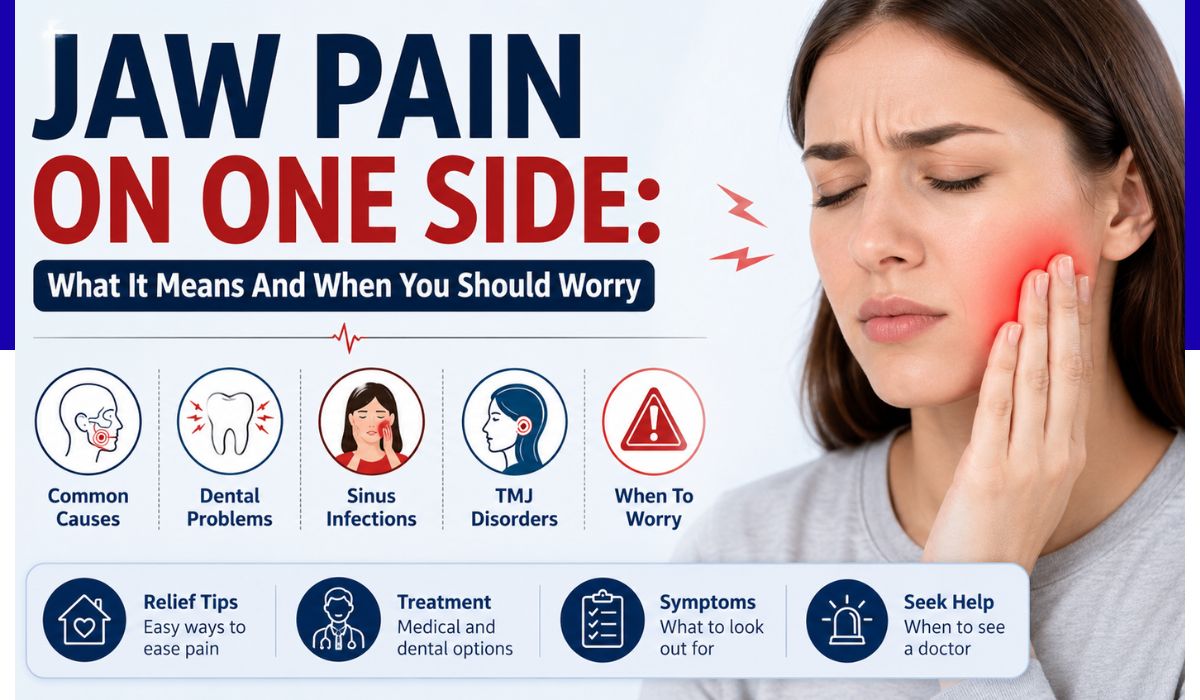
Jaw pain can be frustrating, uncomfortable, and sometimes even frightening. For many people, the pain starts suddenly while chewing, talking, yawning, or waking up in the morning. Others notice a dull ache that slowly becomes harder to ignore. When the discomfort affects only one side of the jaw, it often raises questions about what is causing it and whether it is something serious.
Jaw Pain On One Side is surprisingly common and can happen for many different reasons. In many cases, the problem is linked to Temporomandibular Joint disorders, dental infections, sinus pressure, teeth grinding, or muscle tension caused by stress. However, there are also situations where jaw pain may signal a more serious medical issue that requires fast treatment.
The good news is that most causes of one-sided jaw pain are treatable once the underlying issue is identified. Understanding the symptoms, warning signs, and treatment options can help you feel more confident about what steps to take next. This guide explains the most common and rare causes of Jaw Pain On One Side, how doctors diagnose it, the best relief methods, and when it is time to seek medical care.
Table of Contents
ToggleQuick Bio Information About Jaw Pain On One Side
| Topic | Helpful Information |
|---|---|
| Common Cause | TMJ Disorders |
| Another Major Cause | Dental Infections |
| Pain Location | One Side Of The Jaw |
| Pain Type | Sharp, Dull, Throbbing, Tight |
| Common Trigger | Teeth Grinding |
| Jaw Clicking | Often Linked To TMJ |
| Morning Jaw Pain | May Suggest Night Grinding |
| Swelling | Can Signal Infection |
| Fever | Often Linked To Abscesses |
| Ear Pain | Common With TMJ Disorders |
| Headaches | Frequently Occur Together |
| Sinus Pressure | Can Spread Into The Jaw |
| Stress Connection | Stress Often Worsens Symptoms |
| Serious Warning Sign | Trouble Breathing |
| Home Relief | Ice And Heat Therapy |
| Helpful Foods | Soft Foods |
| Common Test | Dental X-Ray |
| Specialist To See | Dentist Or Doctor |
| Emergency Symptom | Chest Pain With Jaw Pain |
| Prevention Tip | Manage Stress And Grinding |
What Jaw Pain On One Side Really Means
Jaw Pain On One Side usually develops when something affects the muscles, joints, nerves, teeth, or surrounding tissues connected to the jaw. The jaw itself is supported by the Temporomandibular Joint, often called the TMJ, which allows the mouth to open, close, chew, and speak smoothly. When this joint becomes irritated or damaged, pain can appear on either side of the face.
The pain may feel sharp, dull, throbbing, tight, or burning. Some people only notice discomfort while eating, while others experience constant soreness throughout the day. Jaw pain may also spread into the ear, neck, cheeks, or temples, making it difficult to identify the true source.
One-sided jaw pain can sometimes come from nearby areas rather than the jaw itself. Problems involving the sinuses, nerves, ears, or teeth often create pain that radiates into the jaw. Because there are many possible causes, paying attention to accompanying symptoms is extremely important.
Common Symptoms That Often Happen With Jaw Pain
Jaw pain rarely appears alone. Many people experience other symptoms that provide clues about the underlying condition. These symptoms may change depending on whether the problem involves the TMJ, teeth, muscles, nerves, or an infection.
People with Jaw Pain On One Side may notice jaw stiffness, tenderness near the ear, headaches, facial pressure, tooth sensitivity, or clicking sounds while chewing. Some experience swelling around the jawline or difficulty opening the mouth fully. Others may feel pain that worsens after waking up or after stressful days.
Infections often cause swelling, fever, bad breath, or a foul taste in the mouth. Sinus-related jaw pain commonly appears with congestion, nasal pressure, or headaches. Nerve-related conditions can trigger sudden electric-shock-like pain that comes and goes quickly but intensely.
Understanding these symptom patterns helps narrow down possible causes and guides proper treatment.
TMJ Disorders And Jaw Joint Problems
TMJ Disorders are one of the leading causes of Jaw Pain On One Side. The Temporomandibular Joint connects the jawbone to the skull and works constantly throughout the day whenever a person speaks, eats, yawns, or swallows.
When the joint becomes inflamed, strained, or misaligned, pain may develop on one or both sides of the jaw. TMJ Disorders can happen because of stress, teeth grinding, jaw injury, arthritis, poor posture, or chronic clenching of the jaw muscles.
Many people with TMJ problems notice clicking, popping, or grinding sounds when opening the mouth. The jaw may lock temporarily or feel stiff after sleeping. Pain often becomes worse during stressful periods because tension causes the jaw muscles to tighten unconsciously.
Treatment usually focuses on reducing pressure on the joint. Dentists may recommend night guards for teeth grinding, while physical therapy, stress management, jaw exercises, and anti-inflammatory medications can also help improve symptoms over time.
Dental Problems That Cause Jaw Pain
Dental issues are another major reason behind Jaw Pain On One Side. Infections and tooth problems often create pain that spreads into the jawbone and surrounding muscles.
A cavity that reaches the inner tooth can irritate nerves and create deep aching pain. Gum disease may inflame tissues around the teeth and jaw, while cracked teeth can cause sudden sharp pain while chewing. Wisdom teeth are especially known for creating one-sided jaw discomfort because they often grow at awkward angles or become trapped under the gums.
A dental abscess is one of the most serious dental causes of jaw pain. This infection forms around the root of a tooth and may lead to swelling, fever, throbbing pain, and difficulty swallowing. In severe cases, untreated infections can spread into nearby tissues and become dangerous.
People who grind or clench their teeth at night may also develop sore jaw muscles, headaches, and tooth sensitivity without realizing what is happening during sleep.
Sinus Infections And Facial Pressure
Many people are surprised to learn that sinus infections can create Jaw Pain On One Side. The maxillary sinuses sit close to the upper jaw and cheeks, so inflammation in these areas may create pressure that feels like tooth or jaw pain.
Sinusitis often develops after a cold, allergies, or respiratory infection. The tissues inside the sinuses become swollen and filled with mucus, creating pressure around the face. This pressure may spread into the upper teeth and jaw.
Unlike dental pain, sinus-related jaw pain is usually accompanied by congestion, facial fullness, headaches, postnasal drip, or fever. The discomfort may worsen when bending forward or lying down.
Most mild sinus infections improve within several days, but bacterial infections may require medical treatment if symptoms become severe or last longer than expected.
Stress, Teeth Grinding, And Muscle Tension
Stress affects the body in many physical ways, and the jaw is one of the most common areas where tension builds. People under stress often clench their jaw muscles without noticing it. Others grind their teeth while sleeping, a condition known as bruxism.
Over time, this repeated pressure strains the jaw muscles and Temporomandibular Joint, leading to soreness and stiffness on one side of the face. Many people wake up with jaw pain, headaches, or facial tenderness because grinding occurs overnight.
Stress-related jaw pain may come and go depending on emotional tension and sleep quality. Relaxation techniques, meditation, improved sleep habits, and stress reduction can make a major difference. Dentists often recommend custom mouth guards to protect the teeth and reduce strain on the jaw joint.
Rare But Serious Causes Of One-Sided Jaw Pain
Although less common, certain medical conditions can cause severe or unusual Jaw Pain On One Side. One example is Trigeminal Neuralgia, a nerve disorder that causes sudden bursts of intense facial pain. Even simple activities like brushing teeth or speaking may trigger attacks.
Another rare condition is Osteomyelitis, a bone infection that can affect the jaw after dental surgery or severe infection. This condition may cause swelling, fever, redness, and worsening pain.
Salivary gland stones are another possible cause. These stones block saliva flow and create swelling near the jaw, especially during meals. Arthritis, injuries, cysts, and tumors may also occasionally contribute to persistent jaw discomfort.
These conditions are uncommon, but ongoing or unexplained pain should never be ignored.
Could Jaw Pain Be A Sign Of A Heart Problem?
In some situations, Jaw Pain On One Side may be related to heart disease or even a heart attack. This type of pain is more commonly reported in women, older adults, and people with diabetes.
Heart-related jaw pain usually does not occur alone. It may appear together with chest pressure, shortness of breath, nausea, dizziness, sweating, or pain spreading into the neck, shoulder, or arm.
Because heart attack symptoms can vary greatly between individuals, sudden unexplained jaw pain should always be taken seriously when it appears alongside other concerning symptoms. Seeking emergency care quickly can save lives.
Jaw Pain While Chewing Or Opening The Mouth
Pain that becomes worse while chewing often points toward TMJ Disorders, dental problems, muscle strain, or tooth damage. The repetitive movement of chewing places stress on the jaw muscles and joints, making existing inflammation more noticeable.
Some people also feel pain when yawning widely or opening the mouth fully. This may happen when the jaw joint becomes irritated or slightly misaligned. Clicking or popping sounds frequently occur alongside this type of pain.
Eating softer foods temporarily can reduce strain on the jaw while the underlying issue heals. Persistent pain during chewing should still be evaluated by a dentist or healthcare provider.
How Doctors Diagnose Jaw Pain
Diagnosing Jaw Pain On One Side begins with a detailed discussion about symptoms, medical history, and lifestyle habits. A dentist or doctor may ask about grinding, stress levels, recent injuries, headaches, or dental problems.
During the physical exam, the jaw joint and surrounding muscles are checked for tenderness, swelling, clicking, and limited movement. Dentists often examine the teeth and gums carefully for signs of infection or bite problems.
Imaging tests may be recommended depending on the suspected cause. Dental X-rays help identify cavities and abscesses, while CT scans and MRI scans provide detailed images of the jaw joint, nerves, and surrounding tissues.
Accurate diagnosis is extremely important because treatment varies greatly depending on the underlying condition.
Best Home Remedies For Jaw Pain Relief
Many mild cases of Jaw Pain On One Side improve with simple home care. Applying a cold compress during the first day or two may help reduce swelling and numb discomfort. Heat therapy can relax tight muscles and improve circulation after inflammation settles down.
Eating soft foods gives the jaw time to rest and prevents further irritation. Gentle jaw stretching exercises may also improve mobility when recommended by a healthcare professional.
Over-the-counter pain relievers like ibuprofen or acetaminophen may reduce discomfort temporarily. Stress reduction techniques such as deep breathing, yoga, meditation, and better sleep habits often help people who clench their jaw due to tension.
Avoiding gum chewing, hard foods, and excessive jaw movement can also speed recovery.
Medical Treatments For Persistent Jaw Pain
When home remedies are not enough, professional treatment may be necessary. The right treatment depends entirely on the cause of the pain.
Dental infections may require antibiotics, root canal treatment, or tooth extraction. TMJ Disorders often improve with physical therapy, bite guards, anti-inflammatory medications, and lifestyle changes.
Severe cases may involve injections, orthodontic treatment, or surgery, though surgery is usually considered only after conservative treatments fail. Nerve disorders like Trigeminal Neuralgia may require prescription medications that calm irritated nerves.
Early treatment often prevents long-term complications and helps restore normal jaw function more quickly.
When You Should Worry About Jaw Pain
Most cases of Jaw Pain On One Side are not dangerous, but certain symptoms should never be ignored. Swelling that affects breathing or swallowing requires emergency care immediately. High fever, spreading facial swelling, severe tooth pain, or pus drainage may signal a serious infection.
Jaw pain that appears together with chest discomfort, dizziness, or shortness of breath may indicate a heart-related emergency. Persistent pain lasting longer than several days should also be evaluated, especially if home treatment does not help.
The sooner the underlying cause is identified, the easier treatment usually becomes.
How To Prevent Future Jaw Pain
Preventing Jaw Pain On One Side often involves protecting the jaw from unnecessary strain. Managing stress is one of the most effective ways to reduce clenching and teeth grinding. Relaxation techniques and regular exercise can help reduce muscle tension naturally.
Maintaining good dental hygiene also lowers the risk of cavities, gum disease, and infections that may spread into the jaw. Regular dental checkups allow problems to be caught early before pain becomes severe.
Good posture, proper sleep habits, and avoiding extremely hard foods may also reduce pressure on the jaw joint. People who grind their teeth should speak with a dentist about protective mouth guards.
Final Thoughts
Jaw Pain On One Side can range from mild muscle tension to serious medical conditions that require urgent treatment. In many cases, the cause is linked to TMJ Disorders, dental problems, stress, or sinus pressure, all of which are highly treatable once properly diagnosed.
Paying attention to symptoms like swelling, fever, difficulty chewing, or chest discomfort is extremely important because these warning signs may point toward more serious issues. While home remedies often provide temporary relief, persistent or worsening pain should always be evaluated by a healthcare professional.
Understanding the possible causes of jaw pain helps people respond more confidently and seek the right treatment before complications develop. With proper care, most people can successfully manage symptoms, protect their jaw health, and return to normal daily activities comfortably.
FAQs About Jaw Pain On One Side
Why Does My Jaw Hurt Only On One Side?
One-sided jaw pain often happens because of TMJ Disorders, tooth infections, sinus pressure, teeth grinding, or muscle strain. Sometimes nerve conditions or injuries may also affect only one side of the jaw.
Can Stress Cause Jaw Pain?
Yes. Stress commonly causes jaw clenching and teeth grinding, especially during sleep. Over time, this pressure strains the jaw muscles and Temporomandibular Joint.
Is Jaw Pain Always Related To Teeth?
No. Jaw pain can also come from TMJ Disorders, sinus infections, nerve problems, arthritis, muscle tension, or even heart-related conditions.
Why Does My Jaw Click When I Chew?
Clicking sounds often happen when the Temporomandibular Joint becomes slightly misaligned or irritated. TMJ Disorders are one of the most common reasons for jaw clicking.
Can Wisdom Teeth Cause Jaw Pain?
Yes. Wisdom teeth can create pressure, inflammation, swelling, and infection, especially if they grow improperly or become impacted.
When Should I See A Doctor For Jaw Pain?
You should seek medical attention if the pain lasts several days, becomes severe, causes swelling or fever, or makes breathing and swallowing difficult.
Can Sleeping Position Cause Jaw Pain?
Yes. Sleeping on one side or placing pressure on the jaw during sleep may worsen muscle strain and TMJ discomfort in some people.
How Long Does Jaw Pain Usually Last?
Mild jaw pain may improve within a few days with rest and home care. Chronic TMJ Disorders or infections may last longer and require professional treatment.
Recommended For You: Puff Niple In Men: Common Causes, Treatments, And When To Worry