
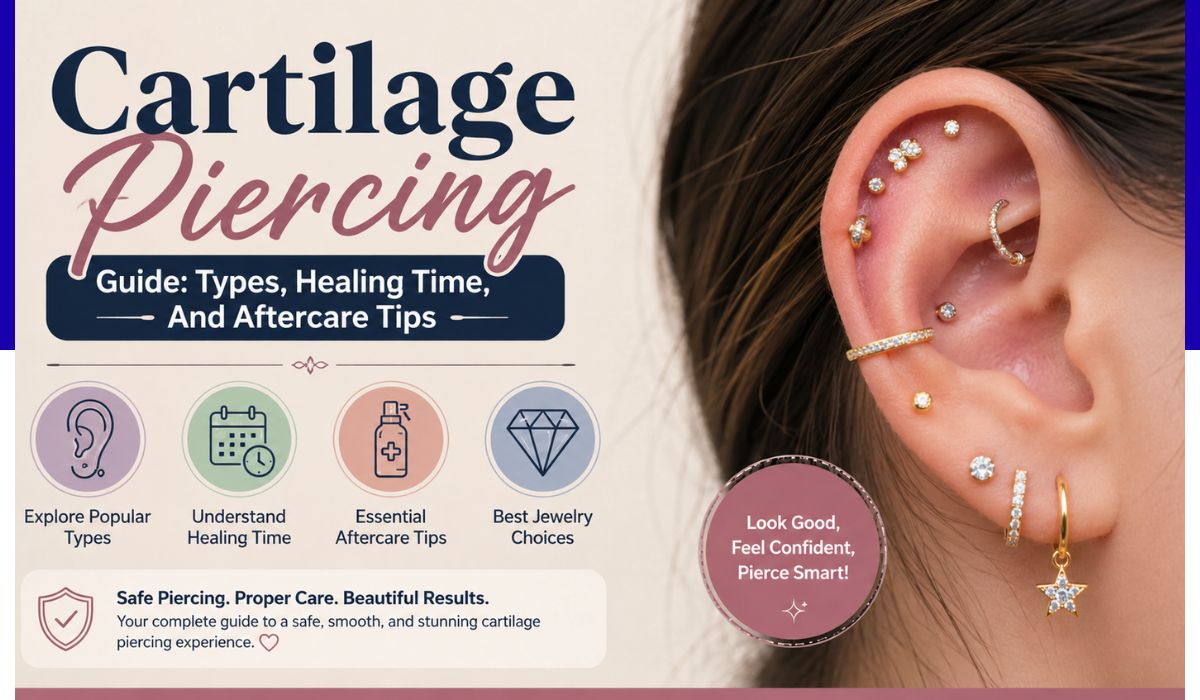
Cartilage Piercing has become one of the most popular forms of body jewelry in recent years. From subtle helix studs to bold industrial barbells, these piercings allow people to express their personal style in creative and fashionable ways. Unlike standard earlobe piercings, cartilage piercings pass through the firmer tissue found in the upper ear or nose. Because cartilage is thicker and receives less blood flow than soft tissue, these piercings require more patience, care, and attention during healing.
Many people are drawn to cartilage piercings because they offer endless styling possibilities. Ear curation trends have made it common to combine multiple piercings for a unique look that reflects personality and fashion preferences. Still, before getting a piercing, it is important to understand the healing process, possible risks, jewelry choices, and proper aftercare routines. A well-cared-for piercing can heal beautifully, while poor aftercare can lead to irritation or infection.
This guide explains everything you need to know about Cartilage Piercing in a simple and beginner-friendly way. You will learn about the different types of cartilage piercings, healing times, pain levels, jewelry options, cleaning methods, and expert aftercare tips that help your piercing heal safely and comfortably.
Quick Bio Information About Cartilage Piercing
| Cartilage Piercing Fact | Details |
|---|---|
| Most Common Placement | Upper Ear Cartilage |
| Average Healing Time | 6 To 12 Months |
| Fastest Healing Type | Helix Piercing |
| Longest Healing Type | Conch And Rook |
| Standard Jewelry Size | 16G |
| Common Jewelry Style | Flat-Back Stud |
| Best Jewelry Material | Implant-Grade Titanium |
| Safe Cleaning Option | Sterile Saline Solution |
| Typical Pain Level | Mild To Moderate |
| Most Stylish Option | Industrial Piercing |
| Beginner-Friendly Type | Helix Piercing |
| Common Healing Symptom | Mild Crusting |
| Unsafe Cleaning Product | Hydrogen Peroxide |
| Recommended Cleaning Frequency | 1 To 2 Times Daily |
| Most Common Complication | Irritation Bump |
| Professional Method | Hollow Needle |
| Avoid During Healing | Swimming Pools |
| Ear Styling Trend | Ear Curation |
| Best Sleeping Position | Opposite Side |
| Jewelry Change Timing | After Full Healing |
What Is A Cartilage Piercing
A Cartilage Piercing is a piercing placed through the firm connective tissue known as cartilage. Cartilage is much tougher than the soft tissue found in the earlobe, which is why cartilage piercings usually take longer to heal. These piercings are most commonly found in the upper ear, inner ear folds, tragus, conch area, and nose.
One important thing to understand is that cartilage has less blood circulation than softer tissue. Because of this, the body needs more time to repair the area after piercing. Even if the outer skin appears healed, the inside tissue may still be recovering. This is why experts recommend waiting several months before changing jewelry.
Cartilage Piercing has become especially popular because it allows for many stylish placements. Some people prefer a minimal and elegant look with a single helix stud, while others create full ear stacks using multiple cartilage piercings. The flexibility in placement and jewelry styles is one reason cartilage piercings remain trendy in 2026.
Different Types Of Cartilage Piercings
There are many different styles of Cartilage Piercing, and each one offers a different appearance, pain level, and healing experience. The Helix Piercing is one of the most common and sits along the upper outer rim of the ear. It is popular because it works well with hoops and flat-back studs.
The Forward Helix Piercing is placed near the front of the ear where the cartilage meets the head. Many people choose double or triple forward helix piercings for a modern layered look. The Tragus Piercing sits on the small flap of cartilage in front of the ear canal and is known for its subtle appearance.
The Daith Piercing goes through the inner cartilage fold above the ear canal. Some people believe it helps with migraines, although scientific evidence supporting this claim remains limited. The Conch Piercing is located in the center of the ear and can hold both studs and large statement hoops.
More advanced options include the Rook Piercing, Industrial Piercing, Snug Piercing, and Anti-Tragus Piercing. These styles are often chosen by people who already have piercing experience because they can involve more discomfort and longer healing periods.
How Painful Is A Cartilage Piercing
Pain is one of the most common concerns people have before getting a Cartilage Piercing. The good news is that most cartilage piercings are quick procedures, and the sharp pain usually lasts only a few seconds. However, pain levels vary depending on the location of the piercing, your anatomy, and your personal pain tolerance.
A Helix Piercing is generally considered mild to moderate in pain, while a Rook or Snug Piercing may feel more intense because the cartilage is thicker. Industrial Piercings can feel more uncomfortable since they involve two connected holes instead of one.
After the procedure, mild throbbing, swelling, and tenderness are normal for several days. Some piercings remain sensitive for a few weeks, especially if they accidentally get bumped during sleep or while brushing hair. Pain usually improves gradually as the piercing heals.
Many people describe cartilage piercing pain as manageable rather than unbearable. Choosing a professional piercer with proper technique can make a significant difference in overall comfort.
Cartilage Piercing Healing Time
Healing time is one of the biggest differences between cartilage and earlobe piercings. A standard earlobe piercing may heal within two months, but most Cartilage Piercings take anywhere from six months to one year to heal fully. Some complex piercings, such as the Conch or Rook, may take even longer.
Healing happens in stages. During the first few weeks, the area may feel swollen, tender, or itchy. You may also notice a clear or pale yellow fluid forming a crust around the jewelry. This is a normal part of healing and not usually a sign of infection.
As the months pass, the outer area begins to look healed, but the inner tissue may still be delicate. This is why changing jewelry too early often causes irritation and delays healing. Patience is essential with cartilage piercings.
Factors like sleeping habits, stress, hygiene, jewelry quality, and accidental trauma can all affect healing speed. Piercings exposed to constant pressure from headphones, helmets, or pillows often take longer to recover.
What Happens During The Piercing Process
Getting a Cartilage Piercing is usually a quick appointment that lasts less than thirty minutes. A professional piercer first cleans the area and marks the placement with a pen so you can approve the exact position.
Most reputable piercers use a sterile hollow needle instead of a piercing gun. Needles are safer for cartilage because they create a cleaner opening with less tissue damage. Piercing guns can place excessive pressure on cartilage and may increase the risk of complications.
Once the piercing is complete, the piercer inserts jewelry and explains the aftercare routine. Some swelling and redness are expected immediately afterward. Many people feel a warm or throbbing sensation for several hours after the appointment.
Choosing a licensed and experienced piercer is one of the most important steps for preventing infection and ensuring proper healing.
Best Jewelry For Cartilage Piercing
Jewelry quality plays a major role in healing success. Implant-Grade Titanium is widely considered one of the safest materials because it is lightweight, durable, and less likely to trigger allergic reactions. Solid 14K Gold is another popular option for sensitive skin.
Flat-Back Studs are often recommended for fresh piercings because they reduce pressure and movement. Hoops and Captive Bead Rings are stylish choices, but they may move more during healing, which can irritate some piercings.
Gauge size also matters. Most cartilage piercings are done at 16G or 18G. A slightly thicker gauge can sometimes improve stability and reduce the risk of migration.
Cheap jewelry made with unknown metals may contain nickel or rough finishes that irritate the skin. Investing in high-quality jewelry can help prevent complications and make healing smoother.
How To Clean A Cartilage Piercing
Cleaning your Cartilage Piercing properly is essential for preventing infection and supporting healthy healing. Experts generally recommend cleaning the area once or twice daily using sterile saline solution designed for wound care.
Before touching the piercing, wash your hands thoroughly with soap and water. Spray or gently soak the piercing with saline solution, then allow it to air dry or pat it carefully with a clean disposable paper towel.
Avoid rotating or twisting the jewelry during cleaning. Constant movement can damage healing tissue and cause irritation. Harsh products like alcohol, hydrogen peroxide, and strong antibacterial soaps should also be avoided because they can dry out the skin and slow recovery.
Consistency is important. Over-cleaning can irritate the area just as much as under-cleaning. A simple and gentle routine usually works best.
Cartilage Piercing Aftercare Tips
Good aftercare habits make a huge difference in healing quality. One of the most helpful tips is avoiding unnecessary touching. Hands carry bacteria, and touching the jewelry frequently increases the risk of infection.
Sleeping carefully is also important. Pressure from pillows can irritate cartilage and cause swelling. Many people use a travel pillow or sleep on the opposite side to reduce pressure during healing.
Hair products, makeup, headphones, hats, and phones can all transfer bacteria onto the piercing. Keeping these items clean helps reduce irritation. It is also wise to avoid swimming pools, lakes, and hot tubs during early healing because these environments may contain bacteria.
Healthy lifestyle habits support healing as well. Staying hydrated, eating balanced meals, reducing stress, and getting enough sleep all help the body repair tissue more efficiently.
Common Cartilage Piercing Problems
Even with proper care, some people experience complications during healing. Irritation bumps are one of the most common issues. These small bumps often develop because of pressure, friction, poor jewelry quality, or sleeping on the piercing.
Infections are more serious and may cause severe redness, heat, swelling, thick discharge, or fever. If these symptoms appear, it is important to seek medical advice rather than removing the jewelry immediately.
Keloids are another concern for some individuals. Unlike simple irritation bumps, keloids are raised scar tissue that grows beyond the original wound area. People who are prone to keloids may develop them after multiple piercings.
Migration and rejection can also occur if the jewelry is too thin, too tight, or poorly placed. Professional piercing technique and proper jewelry sizing help reduce these risks.
Things To Avoid During Healing
One of the biggest mistakes people make is changing jewelry too early. Even if the outside looks healed, the inside tissue may still be fragile. Premature jewelry changes often restart the healing process.
Swimming in pools or lakes during early healing can expose the piercing to bacteria and chemicals. Makeup, lotions, and sprays should also be kept away from the area whenever possible.
Tight headphones and helmets may create friction that slows healing. Many people also accidentally irritate their piercings while brushing hair or getting dressed. Being gentle and aware of the piercing helps prevent unnecessary trauma.
It is equally important to avoid low-quality jewelry. Cheap metals are one of the leading causes of irritation and allergic reactions in cartilage piercings.
Choosing The Right Cartilage Piercing
Choosing the best Cartilage Piercing depends on your anatomy, style preferences, and pain tolerance. Beginners often start with a Helix Piercing because it is relatively easy to heal and works with many jewelry styles.
People looking for bold statement piercings may prefer Industrial or Conch Piercings. Those wanting subtle elegance often choose Tragus or Forward Helix styles.
Lifestyle matters too. If you frequently wear headphones or sleep on your side, certain piercings may feel less comfortable during healing. Discussing your daily habits with a professional piercer can help you select the best option for your ear shape and routine.
The ideal piercing is one that balances appearance, comfort, and practicality.
Modern Ear Styling Trends In 2026
Ear curation remains one of the biggest jewelry trends in 2026. Instead of wearing only one piercing, many people now combine several cartilage and lobe piercings to create a personalized arrangement.
Minimalist flat-back studs, tiny gemstones, stacked hoops, and mixed-metal combinations are especially popular. Many people also prefer asymmetrical ear styling where each ear has a unique arrangement.
Comfort-focused jewelry has also gained attention. Lightweight titanium pieces and threadless jewelry systems make it easier to wear multiple piercings comfortably throughout the day.
Social media trends continue inspiring creative piercing combinations, but experts still recommend prioritizing healing over appearance. Adding too many fresh piercings at once can overwhelm the body and extend healing time.
When To See A Professional
While mild redness and swelling are normal, some symptoms should never be ignored. Severe pain, thick green discharge, spreading redness, fever, or intense swelling may indicate infection and require professional medical attention.
A qualified piercer can also help if jewelry feels too tight, becomes embedded, or develops persistent irritation bumps. Seeking advice early often prevents more serious complications later.
It is important not to remove jewelry during a suspected infection unless instructed by a healthcare provider. Removing it too soon may trap bacteria beneath the skin.
Professional guidance is especially valuable for complicated piercings like Industrial, Snug, or Rook placements.
Final Thoughts
Cartilage Piercing is more than just a fashion trend. It is a form of personal expression that combines style, creativity, and individuality. Whether you prefer a simple Helix Piercing or a bold Industrial setup, understanding the healing process and aftercare requirements is essential for long-term success.
The key to a healthy piercing is patience. Cartilage takes time to heal, and rushing the process often leads to irritation and setbacks. Choosing a professional piercer, investing in high-quality jewelry, and following a gentle cleaning routine can make the entire experience safer and more enjoyable.
With proper care and realistic expectations, Cartilage Piercing can become a beautiful and lasting part of your personal style.
FAQs About Cartilage Piercing
How Long Does A Cartilage Piercing Take To Heal
Most Cartilage Piercings take between six months and one year to heal fully. Some complex piercings may take longer depending on placement and aftercare habits.
Is Cartilage Piercing More Painful Than Earlobe Piercing
Yes, cartilage piercings are usually more painful than earlobe piercings because cartilage tissue is firmer and thicker. However, the pain is typically brief and manageable.
Can I Sleep On A New Cartilage Piercing
Sleeping directly on a fresh piercing can cause irritation, swelling, and delayed healing. It is best to sleep on the opposite side or use a travel pillow.
What Is The Safest Jewelry Material For Cartilage Piercing
Implant-Grade Titanium is widely considered the safest option because it is hypoallergenic, lightweight, and suitable for sensitive skin.
Why Does My Cartilage Piercing Have A Bump
Piercing bumps are often caused by irritation, pressure, poor jewelry quality, or accidental trauma. Proper aftercare and reducing friction usually help improve the issue.
Can I Change My Cartilage Jewelry Early
Changing jewelry too early can damage healing tissue and increase infection risk. Most piercers recommend waiting until the piercing is fully healed.
Are Cartilage Piercings Safe
Cartilage Piercings are generally safe when performed by experienced professionals using sterile equipment and proper jewelry.
Do Cartilage Piercings Close Quickly
Fresh cartilage piercings can begin closing within hours if jewelry is removed. Older healed piercings may remain open longer, but closure speed varies between individuals.
Recommended For You: What Are Packs Honey? Benefits, Risks, and What You Should Know