
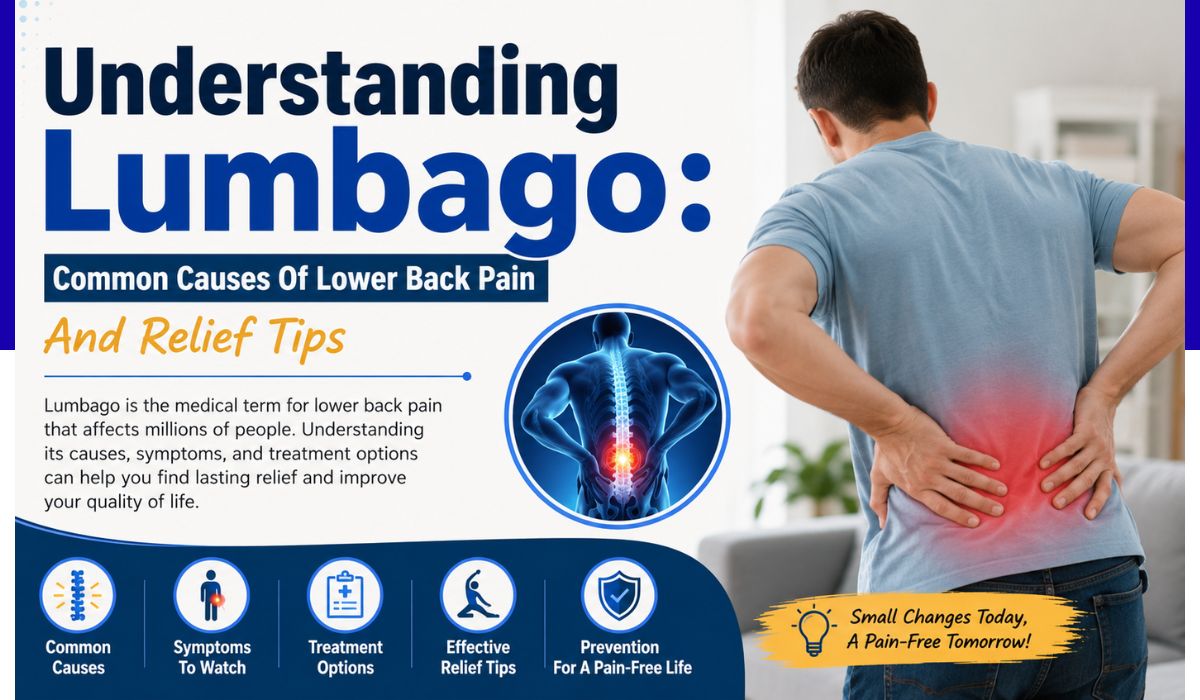
Lumbago is one of the most common health problems affecting adults around the world. Although the word may sound outdated or unfamiliar, it simply refers to lower back pain, especially pain centered in the lumbar spine. From office workers and athletes to older adults and pregnant women, almost anyone can experience this condition at some point in life.
Modern lifestyles have made lower back pain even more common. Long hours of sitting, poor posture, lack of exercise, obesity, stress, and physically demanding work all place pressure on the lower back. According to global health research, millions of people currently live with chronic lower back pain, and experts expect those numbers to continue growing in the coming decades.
The good news is that most cases of lumbago improve with proper care, movement, and healthy lifestyle changes. Understanding the causes, symptoms, and treatment options can help people manage pain early before it becomes a long-term issue. This guide explains everything you need to know about lumbago in simple, easy-to-understand language while offering practical tips for prevention and relief.
Quick Bio Information About Lumbago
| Topic | Details |
|---|---|
| Medical Name | Lower Back Pain |
| Common Term | Lumbago |
| Affected Area | Lumbar Spine |
| Main Symptom | Lower Back Pain |
| Common Age Group | Adults Over 30 |
| Acute Pain Duration | Less Than 6 Weeks |
| Chronic Pain Duration | More Than 12 Weeks |
| Common Cause | Muscle Strain |
| Lifestyle Trigger | Poor Posture |
| Exercise Benefit | Strengthens Core Muscles |
| Common Imaging Test | MRI Scan |
| Typical Treatment | Physical Therapy |
| Risk Factor | Obesity |
| Pregnancy Link | Increased Lower Back Pressure |
| Serious Warning Sign | Loss Of Bladder Control |
| Prevention Method | Regular Movement |
| Related Condition | Sciatica |
| Most Cases Need Surgery? | No |
| Helpful Daily Habit | Good Sitting Posture |
| Recovery Outlook | Usually Positive |
What Is Lumbago?
Lumbago is a medical term used to describe pain in the lower back region. The pain usually develops around the lumbar spine, which is the area between the ribs and the hips. While healthcare professionals today often use the phrase “lower back pain” instead of lumbago, many people still search for the older term online.
Lumbago can appear suddenly after an injury or develop slowly over time due to poor posture, muscle strain, or age-related spinal changes. Some people experience mild discomfort for a few days, while others deal with chronic pain that lasts for months or even years.
The condition itself is not a disease. Instead, it is a symptom linked to different problems involving muscles, nerves, joints, spinal discs, or bones in the lower back. In many cases, doctors cannot identify one exact cause, which is why some cases are called nonspecific lower back pain.
Understanding The Lumbar Spine
The lumbar spine plays a major role in supporting the body. It contains five vertebrae labeled L1 through L5. Between these bones are soft spinal discs that act like cushions and absorb shock during movement.
The lower back also contains muscles, ligaments, joints, and nerves that work together to support posture, balance, walking, bending, and lifting. Because this area handles much of the body’s weight and movement, it is highly vulnerable to strain and injury.
Even small problems in the lumbar spine can lead to pain and stiffness. A weak muscle, irritated nerve, or damaged disc may affect mobility and make daily activities uncomfortable. This is why lower back pain can sometimes feel much worse than expected.
Common Symptoms Of Lumbago
Lumbago symptoms vary from person to person. Some people experience a dull ache that comes and goes, while others feel sharp or intense pain that limits movement.
The most common symptom is pain in the lower back. This pain may stay in one area or spread into the hips, buttocks, or legs. Many people also notice muscle tightness and stiffness, especially after waking up or sitting for long periods.
Some cases involve burning, tingling, or shooting sensations. Pain may worsen during lifting, bending, coughing, sneezing, or sudden twisting movements. Chronic lumbago can also reduce flexibility and make standing or walking difficult for long periods.
In more serious situations, numbness, weakness in the legs, fever, or bladder control problems may occur. These symptoms should never be ignored because they may signal severe nerve compression or spinal conditions that require urgent medical attention.
What Causes Lumbago?
Lumbago has many possible causes, which is one reason diagnosis can sometimes be challenging. The most common cause is muscle or ligament strain. Lifting heavy objects incorrectly, sudden twisting motions, or repeated physical stress can stretch or tear soft tissues in the back.
Poor posture is another major contributor. Sitting for hours while slouching places pressure on the spinal discs and muscles. Over time, this pressure can trigger pain and inflammation. Sedentary lifestyles also weaken the muscles that support the spine, increasing the risk of injury.
Some cases result from spinal conditions such as herniated discs, osteoarthritis, scoliosis, spinal stenosis, or degenerative disc disease. These conditions may irritate nearby nerves and cause long-lasting pain.
Stress and emotional tension can also play a role. When people feel anxious or overwhelmed, muscles in the neck and back often tighten. Chronic stress may worsen existing pain and slow recovery.
Risk Factors That Increase Lower Back Pain
Several factors can increase the chances of developing lumbago. Aging is one of the biggest risk factors because spinal discs naturally lose flexibility over time.
Obesity places additional pressure on the lower back and can strain muscles and joints. Smoking is also linked to spinal problems because it reduces blood flow to spinal tissues and may speed up disc degeneration.
Jobs that involve repetitive lifting, bending, or long periods of standing can increase spinal stress. At the same time, office workers who sit all day without movement may experience weak core muscles and stiffness.
Pregnancy often causes temporary lower back pain because the growing abdomen shifts the body’s center of gravity. Hormonal changes during pregnancy can also loosen joints and ligaments around the pelvis.
Lumbago Vs Sciatica
Many people confuse lumbago with sciatica, but they are not exactly the same condition. Lumbago refers to general lower back pain, while sciatica involves irritation of the sciatic nerve.
Sciatica usually causes pain that travels from the lower back into the hips, buttocks, and legs. Some people describe it as electric shock-like pain, numbness, or tingling.
Although the two conditions are different, they can occur together. For example, a herniated disc may cause both lower back pain and sciatic nerve irritation at the same time.
Understanding the difference helps patients describe symptoms more accurately and seek proper treatment.
How Doctors Diagnose Lumbago
Diagnosing lumbago often begins with a physical examination and medical history review. Doctors usually ask about pain patterns, recent injuries, work habits, exercise routines, and daily activities.
During the exam, a healthcare provider may test flexibility, posture, muscle strength, reflexes, and nerve function. These tests help identify whether muscles, joints, or nerves may be involved.
Imaging tests such as X-rays, MRI scans, or CT scans are sometimes recommended if symptoms are severe or persistent. MRI scans are especially useful for viewing spinal discs and nerves.
Blood tests may also be ordered if doctors suspect infection, inflammation, or underlying medical conditions contributing to pain.
Home Remedies For Mild Lumbago
Most mild cases of lumbago improve with simple home care. Staying active is usually more helpful than complete bed rest. Gentle walking and stretching can keep muscles flexible and improve circulation.
Cold packs may reduce swelling during the first two days after injury, while heat therapy can relax muscles and improve blood flow afterward. Many people also find relief from warm baths or heating pads.
Over-the-counter pain relievers may help reduce inflammation and discomfort. Sleeping with a pillow under the knees can also reduce spinal pressure while resting.
Good posture is extremely important during recovery. Sitting with proper support and avoiding slouching can prevent additional strain on the lower back.
Physical Therapy And Exercise
Physical therapy is one of the most effective treatments for chronic lumbago. A trained therapist can teach exercises that strengthen the core muscles supporting the spine.
Stretching routines improve flexibility, while posture training helps patients move safely during daily activities. Walking, swimming, and low-impact exercises are especially beneficial because they improve circulation without placing excessive stress on the back.
Exercise also supports long-term recovery by improving muscle balance and reducing stiffness. Even simple movement throughout the day can make a noticeable difference for people with chronic lower back pain.
One of the biggest mistakes people make is avoiding movement completely. In most cases, controlled activity actually speeds up healing.
Medical Treatments For Severe Pain
When home care and exercise are not enough, doctors may recommend additional medical treatments. Prescription medications, including anti-inflammatory drugs or muscle relaxants, may help control severe discomfort.
Epidural steroid injections can reduce inflammation around irritated nerves. Some patients also benefit from nerve root block injections that target specific pain areas.
Alternative therapies such as acupuncture, massage therapy, chiropractic care, and mindfulness techniques are becoming increasingly popular for pain management. Many patients combine these therapies with physical rehabilitation for better results.
Treatment plans often work best when they address both physical pain and lifestyle factors contributing to the condition.
When Surgery May Be Necessary
Most people with lumbago never need surgery. However, surgery may be considered when severe nerve compression, structural spinal damage, or chronic pain does not improve with conservative treatment.
Common procedures include spinal decompression surgery, discectomy, spinal fusion, or minimally invasive laser spine procedures. Recovery time varies depending on the procedure and the patient’s overall health.
Doctors usually recommend surgery only after careful testing and evaluation. In many cases, non-surgical treatments remain the safest and most effective option.
Daily Relief Tips For Lower Back Pain
Small lifestyle changes can make a major difference in reducing lower back pain. Improving posture while sitting, standing, and lifting is one of the most important steps.
Ergonomic workspaces help reduce strain during long hours at a desk. Supportive chairs, standing breaks, and screen positioning all contribute to spinal comfort.
Stretching regularly keeps muscles flexible and prevents stiffness. Maintaining a healthy body weight also reduces pressure on the lumbar spine.
Stress management matters as well. Relaxation techniques, deep breathing, and quality sleep can help reduce muscle tension linked to chronic pain.
Can Lumbago Be Prevented?
Although not every case can be prevented, healthy habits greatly reduce the risk of lower back pain. Regular exercise keeps muscles strong and flexible while supporting spinal stability.
Core-strengthening exercises are especially valuable because they protect the lumbar spine during movement. Activities like yoga and Pilates can improve posture, balance, and flexibility.
Proper lifting techniques are equally important. Bending at the knees instead of the waist helps protect spinal discs and muscles.
Avoiding long periods of sitting and staying physically active throughout the day also lowers the risk of chronic stiffness and weakness.
When To See A Doctor
Many episodes of lower back pain improve within a few weeks, but some symptoms require medical attention. Pain lasting longer than several weeks should be evaluated by a healthcare provider.
Severe weakness, numbness, fever, unexplained weight loss, or pain after a serious accident may indicate more serious spinal problems. Loss of bladder or bowel control is considered a medical emergency and requires immediate care.
Early diagnosis can prevent complications and improve recovery outcomes, especially when nerve involvement is suspected.
Living With Chronic Lumbago
Living with chronic lumbago can be physically and emotionally exhausting. Ongoing pain may affect sleep, work performance, mobility, and mental health. However, many people successfully manage chronic symptoms through consistent treatment and healthy lifestyle habits.
Building a long-term pain management plan often includes exercise, physical therapy, stress reduction, proper nutrition, and regular medical checkups. Support from healthcare professionals, family, and mental health counselors can also improve quality of life.
Chronic pain management is rarely about finding one instant cure. Instead, it focuses on improving movement, reducing flare-ups, and helping people return to normal daily activities safely.
Final Thoughts
Lumbago is extremely common, but it does not have to control daily life. Understanding the causes of lower back pain and recognizing early symptoms can help people seek treatment before discomfort becomes severe.
Most cases improve through movement, exercise, posture correction, and healthy habits rather than surgery. Staying active, protecting the spine during daily activities, and maintaining strong core muscles all play a major role in prevention and recovery.
As modern lifestyles continue to increase spinal stress, awareness and education are more important than ever. By taking lower back pain seriously and adopting supportive habits, people can improve mobility, reduce discomfort, and protect long-term spinal health.
FAQs About Lumbago
Is Lumbago The Same As Lower Back Pain?
Yes. Lumbago is simply an older medical term for lower back pain, especially pain involving the lumbar spine.
Can Lumbago Go Away On Its Own?
Many mild cases improve within a few weeks with rest, movement, stretching, and proper posture.
How Long Does Lumbago Last?
Acute lumbago may last a few days to six weeks, while chronic cases can continue for several months or longer.
Is Walking Good For Lumbago?
Yes. Gentle walking often improves circulation, reduces stiffness, and strengthens muscles supporting the back.
What Is The Fastest Way To Relieve Lower Back Pain?
Combining light movement, heat or cold therapy, stretching, and good posture often provides the fastest relief for mild pain.
Can Stress Cause Lumbago?
Stress may increase muscle tension and worsen existing lower back pain, especially in people with chronic symptoms.
Does Everyone With Lumbago Need Surgery?
No. Most people recover without surgery using physical therapy, exercise, lifestyle changes, and non-surgical treatments.
Can Poor Posture Really Cause Lower Back Pain?
Yes. Poor posture places unnecessary pressure on spinal discs and muscles, which can lead to chronic lower back pain over time.
Recommended For You: Castor Oil in Belly Button: Benefits, Myths, And What You Should Know