
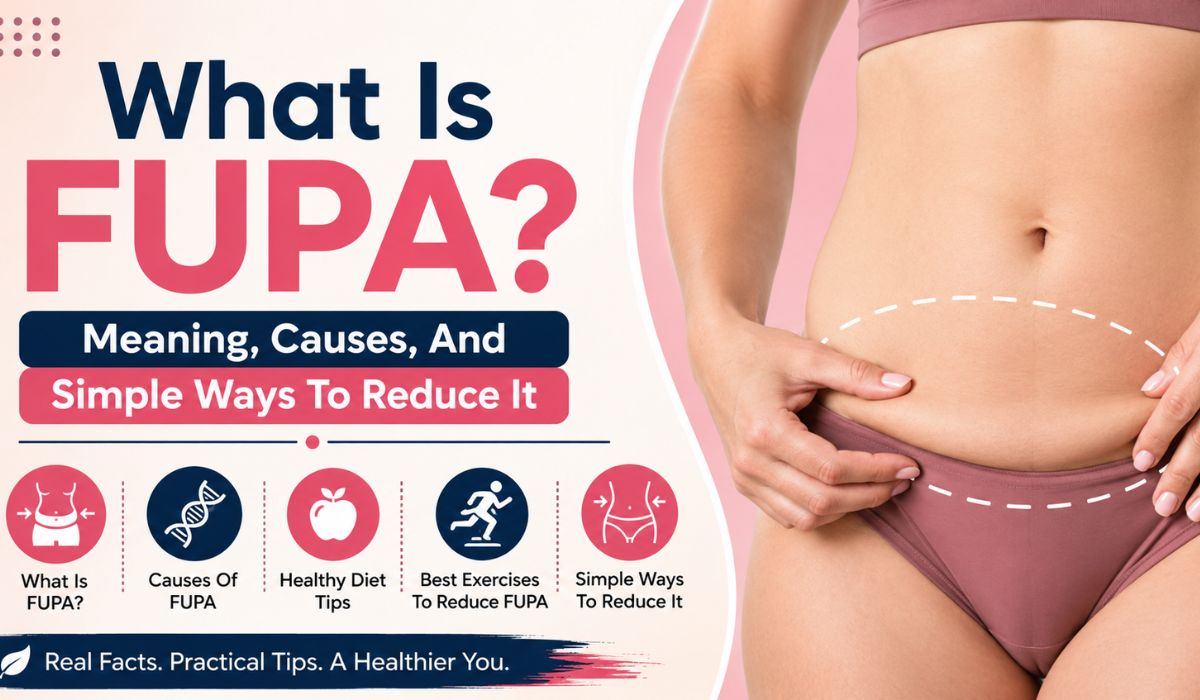
If you have ever wondered what FUPA means, you are not alone. The term is widely used online, in fitness discussions, and in everyday conversations. FUPA usually refers to extra fullness, fat, or loose skin in the area just above the pubic bone and below the lower belly. While some people use the term casually, many people search for it because they want honest answers about body changes, confidence, and how to reduce it in a healthy way.
The truth is simple: having some softness in this area is very common. Body fat distribution varies from person to person, and many factors can affect how this part of the body looks. Age, genetics, hormones, pregnancy, weight gain, and weight loss can all play a role. In this guide, you will learn what FUPA is, what causes it, how to tell the difference between fat and loose skin, and the most realistic ways to improve it in 2026.
Quick Bio Information
| Fact | Detail |
|---|---|
| Meaning | FUPA Means Fat Upper Pubic Area |
| Body Area | Above The Pubic Bone |
| Medical Name | Mons Pubis Region |
| Normal Tissue | Yes, Everyone Has It |
| Main Cause | Fat Storage |
| Other Cause | Loose Skin |
| Common After Pregnancy | Yes |
| Common After Weight Loss | Yes |
| Can Thin People Have It | Yes |
| Spot Reduction Possible | No |
| Exercise Helps | Yes, Indirectly |
| Weight Loss Helps | Often Yes |
| Surgery Option | Yes |
| Dangerous By Itself | Usually No |
| Can Cause Chafing | Yes |
| Can Affect Confidence | Yes |
| Hormones Matter | Yes |
| Genetics Matter | Yes |
| Fast Fix Exists | No |
| Best Approach | Sustainable Habits |
What Is FUPA Exactly?
FUPA stands for Fat Upper Pubic Area. It describes the layer of fat or tissue that sits over the mons pubis, the naturally padded area above the pubic bone. This tissue exists in everyone because it helps protect bone and soft tissue. In some people, the area becomes more noticeable due to increased fat storage, skin laxity, or posture changes.
A FUPA is not a medical diagnosis. It is simply a popular slang term. Doctors are more likely to describe the area as the mons pubis, suprapubic fat pad, lower abdominal fullness, or excess tissue in the pubic region. Knowing this helps remove stigma. Many people think FUPA means something abnormal, but often it is just a normal variation of body shape.
Is Having A FUPA Normal?
Yes, having some fullness in this area is normal. The body naturally stores fat in different places depending on genetics, hormones, sex, age, and overall weight. Some people carry more fat in the hips and thighs, while others carry it in the lower abdomen or pubic area.
Even lean people can have a visible FUPA because anatomy is different for everyone. Skin thickness, pelvic shape, connective tissue, and posture all influence appearance. After pregnancy or major weight loss, loose skin can also create a fuller look even when body fat is lower. This is why comparing yourself to edited images online is rarely helpful.
What Causes FUPA?
The most common cause of FUPA is overall weight gain. When the body stores extra energy as fat, it may place some of it in the lower abdomen and upper pubic region. Genetics strongly influence where fat is stored, which is why two people at the same weight can look very different.
Hormonal changes also matter. Pregnancy, menopause, and changes in estrogen or testosterone can shift body fat patterns. Aging can reduce skin elasticity and muscle tone, making the area appear fuller. Major weight loss may leave stretched skin behind. Poor posture can push the lower belly forward, which can visually increase the appearance of FUPA even without much fat.
FUPA Vs Belly Fat
Many people confuse FUPA with belly fat, but they are not exactly the same. Belly fat often refers to fat across the abdomen, including deep visceral fat around organs and soft subcutaneous fat under the skin. FUPA usually refers to a more localized area lower down near the pubic bone.
This difference matters because deep visceral fat is more strongly linked with metabolic health risks. FUPA is often mostly subcutaneous fat or loose skin. Improving overall fitness can reduce both, but body changes may happen at different speeds in different areas.
Can You Reduce FUPA Naturally?
Yes, many people can reduce FUPA naturally, but there is an important truth: you cannot choose where the body loses fat first. Spot reduction is a myth. Doing endless crunches will not directly melt fat only from the pubic area.
What works is lowering overall body fat through nutrition, movement, sleep, and consistency. As total body fat decreases, the area may gradually shrink. If loose skin is the main issue, fat loss alone may not fully flatten it. This is why realistic expectations are essential. Progress is usually measured in months, not days.
Best Diet Tips To Reduce FUPA
The most effective nutrition strategy is a moderate calorie deficit that you can maintain. That means eating slightly fewer calories than you burn while still getting enough nutrients and protein. Extreme diets often fail because they are hard to sustain and may lead to rebound weight gain.
Meals built around lean protein, vegetables, fruit, whole grains, beans, yogurt, eggs, nuts, and healthy fats can help control hunger. Fiber supports fullness and digestion. Drinking water regularly may reduce unnecessary snacking. Limiting sugary drinks, ultra-processed foods, and frequent overeating often makes a meaningful difference. Consistency beats perfection every time.
Best Exercises For FUPA
Exercise helps by increasing calorie burn, preserving muscle, improving posture, and supporting long-term weight control. Walking remains one of the most effective and underrated tools because it is easy to repeat. Strength training helps build muscle, which supports metabolism and body composition.
Helpful movements include squats, lunges, glute bridges, planks, rows, and presses. Cardio intervals can improve fitness if tolerated. Core training strengthens the midsection, but remember it does not directly target FUPA fat. A balanced weekly routine is far better than chasing “magic” exercises from social media.
Loose Skin Or Fat: How To Tell
If the area feels soft and thick, body fat may be the larger factor. If it looks wrinkled, hangs, or folds after major weight loss or pregnancy, loose skin may be more significant. Many people have a mix of both.
Skin changes are common after stretching during pregnancy or after losing a large amount of weight quickly. Strength training can improve shape by building underlying muscle, but it does not remove extra skin. This is why some people see good progress on the scale yet still notice fullness in the lower abdomen or pubic region.
How Long Does It Take To See Results?
Healthy body recomposition takes time. Some people notice changes within four to eight weeks after improving nutrition and activity. More visible changes often take three to six months of steady habits. The exact timeline depends on starting weight, genetics, age, sleep, stress, and consistency.
Progress is not always linear. Some weeks the scale moves, other weeks measurements improve instead. Photos, waist measurements, clothing fit, energy levels, and strength gains are often better progress markers than scale weight alone.
Medical And Cosmetic Treatments
When natural methods are not enough, medical treatments may help. Liposuction can remove localized fat from the mons pubis area. A monsplasty or pubic lift may reduce excess tissue and tighten the area. A tummy tuck can address lower abdominal skin and muscle laxity when appropriate.
These procedures require consultation with a qualified surgeon. Recovery time, cost, scars, and realistic outcomes should be discussed carefully. Surgery can improve contour, but it does not replace healthy habits. Long-term results are usually best when weight is stable before treatment.
When To See A Doctor
You should consider speaking with a doctor if the area becomes painful, swollen, develops persistent rashes, frequent irritation, hygiene problems, or sudden lumps. These symptoms may relate to skin conditions, hernias, cysts, or other issues that need medical attention.
It is also reasonable to seek help if body image distress is affecting daily life, intimacy, or confidence. A supportive doctor, dietitian, or therapist can provide useful options without judgment.
Confidence And Body Image
Many people worry about this area far more than others notice it. Social media filters, unrealistic editing, and comparison culture often create impossible standards. Bodies naturally store fat in different places, and no single shape defines health or attractiveness.
Working on confidence does not mean giving up goals. It means pursuing change from self-respect rather than shame. Healthy habits are easier to maintain when they come from care, not punishment.
Common Myths About FUPA
One myth says only people with obesity have a FUPA. In reality, lean people can have fullness there too. Another myth says crunches alone will remove it. They will not. Another myth claims there is a one-week fix. There is not.
Some believe surgery is the only answer. For some people it helps, but many improve significantly with nutrition, exercise, posture work, and patience. The best plan depends on whether the main issue is fat, skin, or both.
Final Thoughts
FUPA is a common and normal body concern, not a flaw. It usually refers to extra fat or tissue in the upper pubic area, and it can be influenced by weight changes, genetics, hormones, pregnancy, aging, and skin elasticity. For many people, the best path forward is gradual fat loss, strength training, better posture, and sustainable habits.
If loose skin or significant discomfort is involved, medical treatments may be worth exploring. Most importantly, your worth is not measured by one body area. Progress, health, and confidence matter far more than chasing perfection.
FAQs About FUPA
What Does FUPA Mean?
FUPA usually means Fat Upper Pubic Area. It refers to fullness or extra tissue above the pubic bone.
Can Weight Loss Remove FUPA?
Weight loss often reduces FUPA, especially if body fat is the main cause. If loose skin is present, some fullness may remain.
Can Skinny People Have FUPA?
Yes. Genetics, anatomy, posture, and skin structure can make the area noticeable even in slim people.
How Do I Get Rid Of FUPA Fast?
There is no instant fix. The fastest healthy approach is consistent nutrition, exercise, sleep, and patience. Surgery may offer faster contour changes but involves recovery.
What Exercises Help FUPA?
Walking, strength training, squats, lunges, planks, and full-body workouts help reduce overall body fat and improve shape.
Is FUPA Dangerous?
Usually no. It is often cosmetic. But pain, rash, swelling, or sudden changes should be checked by a doctor.
Is FUPA The Same As Belly Fat?
Not exactly. FUPA is lower and more localized near the pubic region, while belly fat refers to broader abdominal fat.
Can Pregnancy Cause FUPA?
Yes. Pregnancy can stretch skin, shift posture, and change fat distribution, which may make the area more noticeable afterward.
Please Read Also: How Do You Get Rid Of FUPA? Simple Tips That Really Work