
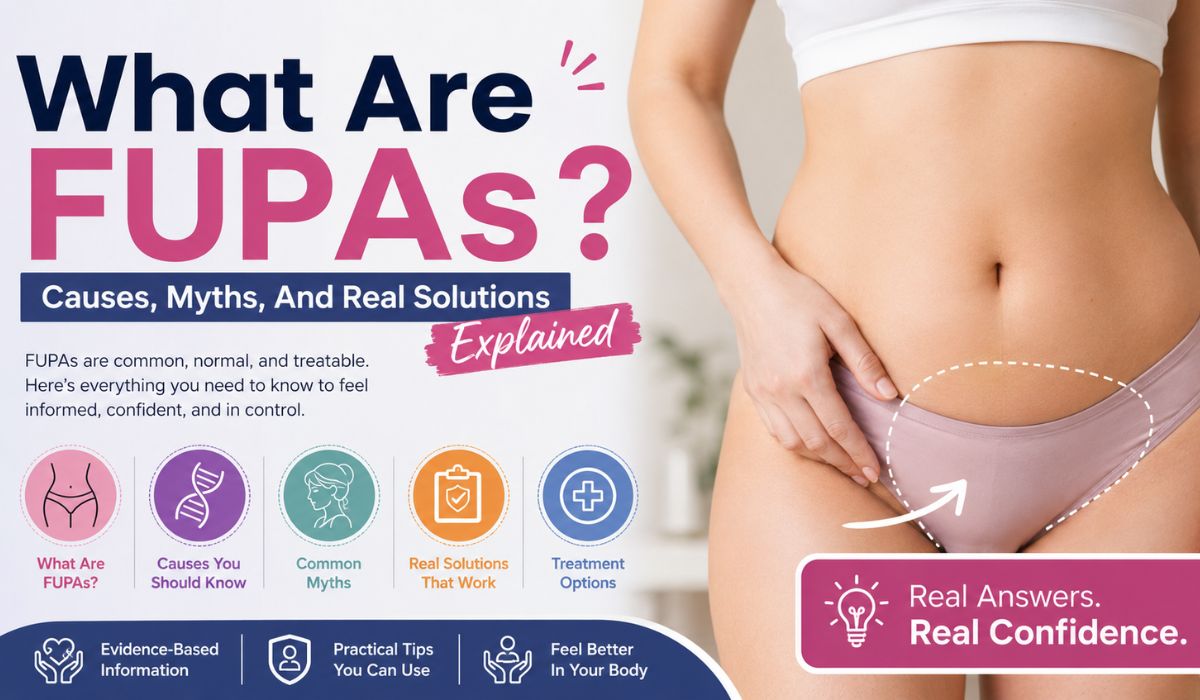
Many people search for answers about FUPAs, but the topic is often surrounded by confusion, jokes, or poor information. In reality, FUPAs are common body changes that affect people of different ages, sizes, and lifestyles. The term is widely used online to describe extra fat or loose skin in the upper pubic area. While some people see it as a cosmetic concern, others experience discomfort, clothing fit issues, or frustration after weight loss or pregnancy.
The good news is that FUPAs are normal, manageable, and better understood today than ever before. In 2026, health experts focus less on body shame and more on comfort, function, and informed choices. This guide explains what FUPAs are, why they happen, common myths, and realistic solutions that actually help.
uick Bio Information
| Topic | Details |
|---|---|
| Full Meaning | Fatty Upper Pubic Area |
| Common Location | Above The Pubic Bone |
| Medical Area Name | Mons Pubis |
| Is It Normal | Yes |
| Only In Women | No |
| Can Men Have It | Yes |
| Main Cause | Body Fat Storage |
| Other Cause | Loose Skin |
| Pregnancy Link | Common |
| Weight Loss Link | Can Remain After Loss |
| Spot Reduction Possible | No |
| Exercise Helps | Yes, Indirectly |
| Surgery Option | Available |
| Dangerous By Itself | Usually No |
| Pain Possible | If Irritation Exists |
| Hygiene Issues | Sometimes |
| Age Factor | Yes |
| Genetics Matter | Yes |
What Are FUPAs?
FUPAs usually refer to fullness, fat, or loose skin in the area above the pubic bone. This area is medically called the Mons Pubis. Everyone naturally has some fatty tissue there because it cushions the pelvic bone and protects sensitive structures.
For some people, the area becomes more prominent due to body fat distribution, hormonal changes, aging, pregnancy, or skin stretching. In some cases, what people call a FUPA is not fat at all. It may be loose skin, scar tissue, posture-related lower belly projection, or a combination of factors. That is why understanding the cause matters before trying to change it.
Is It Normal To Have FUPAs?
Yes, it is completely normal to have some fullness in this area. Human bodies are not flat, perfectly smooth shapes. Natural fat storage patterns vary from person to person, and many healthy people have visible softness in the lower abdomen or upper pubic area.
Social media filters and edited images often create unrealistic expectations. Many people compare themselves to images that are heavily posed, altered, or surgically enhanced. Real bodies show curves, folds, skin texture, and natural variation. Having FUPAs does not automatically mean poor health or lack of fitness.
What Causes FUPAs?
The most common cause is overall weight gain. When the body stores extra fat, it can settle in many places, including the lower abdomen and pubic region. Genetics also play a major role. Some families naturally store more fat in the hips, thighs, or lower stomach.
Hormones can influence body shape as well. Estrogen changes, menopause, stress hormones, and insulin resistance may affect where fat is stored. Aging can reduce skin elasticity, making the area look more pronounced even without major fat gain. Rapid weight changes often stretch skin and connective tissue, creating loose skin that remains after fat loss.
FUPAs After Weight Loss
Many people feel surprised when they lose weight but still notice a FUPA. This happens because weight loss reduces fat cells, but skin does not always tighten fully afterward. If weight was carried for years, skin may remain stretched.
Another reason is stubborn fat. Some areas of the body respond slower to fat loss than others. The lower abdomen and pubic region can be among the last places to lean out. This is especially true when sleep, stress, hormones, or muscle loss are factors. Patience and a full-body health plan usually work better than chasing fast fixes.
FUPAs After Pregnancy
Pregnancy changes the lower abdomen, pelvis, skin, and connective tissue. As the baby grows, the abdominal wall stretches and posture shifts forward. After birth, the body needs time to recover, and every recovery timeline is different.
Some people notice swelling, soft tissue fullness, or skin laxity in the area above the pubic bone. Cesarean scars can also change how tissue sits. In many cases, healing continues for many months after delivery. Gentle movement, pelvic floor support, balanced nutrition, and realistic expectations are more helpful than rushing into extreme plans.
FUPAs Vs Belly Fat
Many people confuse FUPAs with belly fat, but they are not exactly the same. Belly fat often refers to fat across the stomach area. It can include deeper visceral fat around organs or surface fat under the skin.
FUPAs usually describe surface fullness lower down, close to the pubic region. This distinction matters because deep belly fat is more closely linked with metabolic health risks, while a FUPA is often more about appearance, comfort, or skin changes. Knowing the difference helps people focus on the right health goals.
Myths About FUPAs
One common myth says only overweight people have FUPAs. That is false. Slim people can have them because genetics and anatomy matter. Another myth says you can do one exercise to remove it fast. Spot reduction is not how fat loss works.
Some believe surgery is the only answer. Surgery can help certain cases, but many people improve the area through lifestyle changes, strength training, and body composition improvements. Another myth says having FUPAs means someone is unhealthy. Health cannot be judged by one body area alone.
Can You Reduce FUPAs Naturally?
Yes, many people can reduce the appearance of FUPAs naturally, though results depend on whether the issue is fat, skin, or both. Sustainable fat loss comes from a calorie-aware eating plan, regular movement, strength training, quality sleep, and stress control.
Whole foods, enough protein, walking, and resistance training help preserve muscle while lowering body fat. Better posture can also make the lower stomach look smoother. If loose skin is the main issue, natural change may be slower and more limited, but fitness still improves how the body feels and functions.
Best Exercises That Help
Exercises cannot melt fat from one exact spot, but they improve total body composition and muscle tone. Walking remains one of the most effective tools because it is easy to sustain. Squats, lunges, glute bridges, and deadlift variations build the lower body and support metabolism.
Core training such as planks, bird-dogs, and controlled leg raises can strengthen the midsection. Pelvic floor exercises are also valuable after pregnancy. Consistency matters far more than intensity. A simple routine done for months beats an extreme routine done for one week.
When Loose Skin Is The Main Issue
Sometimes the biggest issue is not fat but loose skin. This is common after major weight loss or pregnancy. Skin contains collagen and elastin, and these fibers naturally weaken with age and stretching.
Hydration, protein intake, muscle building, and time may help appearance somewhat, but they cannot fully replace stretched tissue in every case. If skin causes rashes, discomfort, or major distress, medical advice may be worth seeking. Honest expectations are important because creams alone rarely solve significant laxity.
Medical And Cosmetic Treatments
Doctors may recommend different treatments depending on the cause. Liposuction can remove localized fat when skin tone is still fairly good. Monsplasty is designed to reduce and reshape the pubic mound area. Tummy tuck procedures may be combined when loose lower abdominal skin is also present.
Good candidates are generally healthy, weight-stable, and clear about recovery time and risks. Surgery is not a shortcut to health, but it can be useful in selected cases. Choosing a board-certified surgeon and discussing scars, healing, and realistic outcomes is essential.
When To Talk To A Doctor
Medical advice is smart if the area causes repeated irritation, hygiene difficulty, pain, urinary issues, or emotional distress. It is also helpful after childbirth, major weight loss, or if you suspect a hernia or unusual swelling.
A doctor can help determine whether the concern is fat, skin, inflammation, scar tissue, or something unrelated. This prevents wasted effort on solutions that do not match the real cause.
Confidence And Body Image
FUPAs often create more emotional stress than physical problems. Many people feel embarrassed because of online beauty standards that do not reflect normal anatomy. Building confidence often starts with changing the conversation around your body.
Focus on comfort, strength, mobility, and health markers instead of chasing perfection. Clothes that fit well, movement you enjoy, and realistic self-talk can make a huge difference. Sometimes the best solution is not changing your body, but changing how you judge it.
Final Thoughts
FUPAs are common, normal, and often misunderstood. They may result from genetics, weight changes, pregnancy, aging, or loose skin. For some people, they are simply a natural body feature. For others, they create discomfort or self-consciousness.
The best path depends on the true cause. Lifestyle habits can help reduce body fat and improve confidence. Medical treatments may help when skin or structural issues are involved. In 2026, the healthiest approach is informed, realistic, and free from shame. Your body does not need perfection. It needs care, patience, and respect.
FAQs About FUPAs
Can FUPAs Go Away With Weight Loss?
They can become smaller if body fat decreases. However, some people still notice loose skin or stubborn fullness after weight loss.
Are FUPAs Only Found In Women?
No. Men can also have fullness in the upper pubic area due to fat gain, anatomy, or loose skin.
How Long Does It Take To Reduce FUPAs?
There is no fixed timeline. Healthy body composition changes usually take months, not days, and depend on diet, exercise, sleep, and genetics.
Can Exercise Target FUPAs Directly?
No exercise removes fat from one spot only. Exercise helps by reducing total body fat and improving muscle tone.
Is Surgery Permanent?
Results can last many years, especially with stable weight. Future weight gain, aging, or pregnancy can change the area again.
Are FUPAs Dangerous?
Usually no. They are often cosmetic. But irritation, pain, infections, or hygiene problems should be checked by a doctor.
Can Thin People Have FUPAs?
Yes. Slim people may have them due to genetics, posture, or natural anatomy rather than body fat alone.
What Is The Best First Step?
Start with realistic expectations, healthy habits, and a medical check if symptoms or uncertainty exist.
Please Read Also: What Does FUPA Slang Mean? A Simple Guide To The Popular Term