
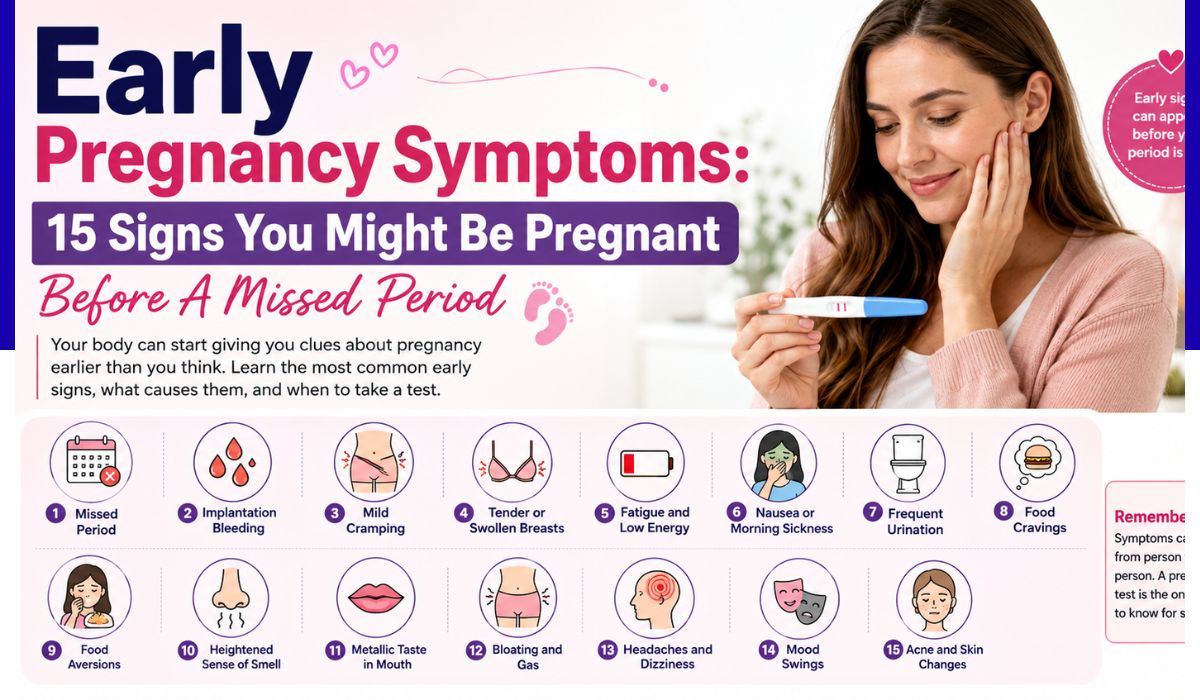
Early Pregnancy Symptoms can be exciting, confusing, and sometimes surprisingly easy to miss. While a missed period is often considered the classic sign of pregnancy, many people begin noticing changes in their bodies days or even weeks before their period is due. These early signs happen because the body starts producing pregnancy hormones shortly after conception and implantation.
Every pregnancy is different. Some people experience several symptoms almost immediately, while others may have very few noticeable changes. Understanding the earliest signs of pregnancy can help you recognize what your body may be telling you and decide when it is time to take a pregnancy test.
In this guide, you will learn about the most common Early Pregnancy Symptoms, when they usually start, how they differ from PMS symptoms, and what steps to take if you think you might be pregnant.
Quick Bio Information About Early Pregnancy Symptoms
| Fact | Information |
|---|---|
| Primary Pregnancy Hormone | Human Chorionic Gonadotropin (hCG) |
| Earliest Possible Symptom | Implantation Bleeding |
| Most Recognizable Sign | Missed Period |
| Common Breast Change | Tenderness And Swelling |
| Frequent Digestive Symptom | Bloating |
| Common Emotional Symptom | Mood Swings |
| Typical Nausea Onset | Around Week 6 |
| Pregnancy Test Detection | hCG Hormone |
| Early Urinary Change | Frequent Urination |
| Common Taste Change | Metallic Taste |
| Common Smell Change | Heightened Sense Of Smell |
| Typical Implantation Timing | 6 To 12 Days After Fertilization |
| Early Energy Change | Fatigue |
| Common Skin Effect | Pregnancy Glow Or Acne |
| Recommended Vitamin | Folic Acid |
| Typical First Prenatal Visit | Weeks 6 To 8 |
| Home Test Accuracy | Over 99% When Used Correctly |
| Early Cramping | Usually Mild |
| Symptom Variation | Different For Every Pregnancy |
| Confirmation Method | Pregnancy Test Or Blood Test |
What Are Early Pregnancy Symptoms?
Early Pregnancy Symptoms are physical and emotional changes that occur during the first few weeks after conception. These symptoms develop because hormone levels begin changing rapidly to support the growing embryo.
The main hormones involved include Human Chorionic Gonadotropin (hCG), Progesterone, and Estrogen. These hormones affect nearly every system in the body, including digestion, circulation, mood, breasts, and reproductive organs.
Although many symptoms are considered normal, not everyone experiences them in the same way. Some people feel pregnant almost immediately, while others may not notice any signs until several weeks later.
When Do Early Pregnancy Symptoms Usually Begin?
Many people wonder how soon pregnancy symptoms start. The answer depends on individual hormone levels and how sensitive the body is to hormonal changes.
Fertilization typically occurs around the middle of the menstrual cycle. Implantation usually happens six to twelve days later. Once implantation occurs, the body begins producing hCG, the hormone detected by pregnancy tests.
Some people notice mild symptoms as early as one week after conception. Others may not experience noticeable symptoms until after a missed period. Even among people who have been pregnant before, symptoms can vary from one pregnancy to another.
Missed Period
A missed period remains one of the strongest and most recognizable signs of pregnancy. During pregnancy, hormone production prevents ovulation and stops the menstrual cycle from occurring.
For people with regular menstrual cycles, missing a period is often the first indication that something has changed. However, a missed period does not always mean pregnancy. Stress, significant weight changes, intense exercise, illness, and hormonal conditions can also affect the menstrual cycle.
If your period is late and you are sexually active, taking a home pregnancy test is usually the best next step.
Implantation Bleeding And Mild Cramping
One of the earliest Early Pregnancy Symptoms is implantation bleeding. This occurs when the fertilized egg attaches to the lining of the uterus.
Implantation bleeding is usually much lighter than a normal menstrual period. It often appears as light pink or brown spotting and typically lasts only a short time.
Mild cramping may occur alongside implantation bleeding. These cramps are generally less intense than menstrual cramps and may feel like a slight pulling or tingling sensation in the lower abdomen.
Because implantation bleeding can happen around the time a period is expected, many people mistake it for the beginning of menstruation.
Tender Or Swollen Breasts
Breast changes are among the earliest and most common pregnancy symptoms. Increased levels of Estrogen and Progesterone cause the breasts to prepare for future milk production.
Many people notice that their breasts feel heavier, fuller, or more sensitive than usual. The nipples may become tender, and the areolas can darken or enlarge.
These changes often begin within the first few weeks of pregnancy and may continue throughout the first trimester. Although similar breast tenderness can occur before a period, pregnancy-related changes often feel stronger and last longer.
Fatigue And Low Energy
Feeling unusually tired is another common sign of early pregnancy. Many people describe pregnancy fatigue as being different from ordinary tiredness.
Progesterone levels rise significantly during early pregnancy, which can have a calming effect on the body. At the same time, the body is working hard to support the developing embryo and increase blood supply.
As a result, even simple daily activities may feel more exhausting than usual. Some people feel the need for extra sleep, while others notice reduced energy throughout the day.
Fatigue is especially common during the first trimester and may improve as pregnancy progresses.
Morning Sickness And Nausea
Despite its name, Morning Sickness can occur at any time of day. Some people experience mild nausea, while others experience frequent vomiting.
Nausea is believed to be linked to rising hormone levels, particularly hCG and Estrogen. Symptoms often begin around the sixth week of pregnancy but can appear earlier for some individuals.
Certain smells, foods, or even empty stomachs can trigger nausea. Although Morning Sickness is usually considered a normal part of pregnancy, severe vomiting should be evaluated by a healthcare provider because it can lead to dehydration.
Many people find relief by eating small meals throughout the day, staying hydrated, and avoiding foods that trigger symptoms.
Frequent Urination
Needing to urinate more often is another common Early Pregnancy Symptom. Pregnancy increases blood volume, causing the kidneys to process more fluid.
As the kidneys work harder, more urine is produced and stored in the bladder. Hormonal changes also contribute to this effect.
Some people notice frequent urination very early in pregnancy, even before a missed period. This symptom may continue throughout pregnancy as the growing uterus places additional pressure on the bladder.
Although frequent urination is common, burning, pain, or fever should be evaluated because these symptoms may indicate a urinary tract infection.
Food Cravings And Food Aversions
Changes in appetite can appear surprisingly early during pregnancy. Some people develop strong cravings for specific foods, while others suddenly dislike foods they once enjoyed.
Researchers believe hormonal changes affect taste, smell, and appetite regulation. Cravings can involve sweet foods, salty snacks, fruits, or unusual combinations of foods.
Food aversions are equally common. The smell or taste of certain foods may suddenly become unpleasant, sometimes causing nausea.
While cravings can be enjoyable, maintaining a balanced diet remains important throughout pregnancy.
Heightened Sense Of Smell And Metallic Taste
Many pregnant individuals notice that smells become much stronger than usual. Everyday odors such as perfume, coffee, cooking foods, or cleaning products may suddenly seem overwhelming.
This heightened sensitivity to smell is thought to be related to hormonal changes and may contribute to Morning Sickness.
Another unusual symptom is a metallic taste in the mouth, known medically as dysgeusia. Some people describe it as tasting metal, coins, or a bitter flavor even when they are not eating.
Although this symptom can be frustrating, it is generally harmless and often improves as pregnancy progresses.
Bloating, Gas, And Digestive Changes
Many people are surprised to learn that bloating can be one of the earliest Early Pregnancy Symptoms. Rising Progesterone levels slow down digestion, allowing the body more time to absorb nutrients needed to support pregnancy. As digestion slows, gas, fullness, and abdominal bloating may become more noticeable.
These symptoms often resemble Premenstrual Syndrome, which is why many people do not immediately suspect pregnancy. However, pregnancy-related bloating tends to persist rather than disappear when a period is due. Drinking plenty of water, eating fiber-rich foods, and staying physically active can help reduce digestive discomfort.
Headaches, Dizziness, And Mood Changes
Hormonal fluctuations affect blood vessels, circulation, and blood sugar levels, making headaches and dizziness common during the first few weeks of pregnancy. Some people experience occasional lightheadedness when standing up quickly, while others notice more frequent headaches than usual.
At the same time, changing hormone levels can influence emotions. Mood swings may appear unexpectedly, causing feelings of excitement, irritability, sadness, or sensitivity. These emotional changes are completely normal and are experienced by many pregnant individuals. Getting enough rest, managing stress, and maintaining healthy eating habits can often help stabilize mood and energy levels.
Acne, Skin Changes, And Pregnancy Glow
The skin often responds to pregnancy hormones in different ways. Some people experience increased oil production, leading to acne breakouts, especially during the first trimester. Others notice smoother skin and a brighter complexion commonly referred to as the Pregnancy Glow.
Increased blood circulation contributes to this glowing appearance by delivering more oxygen and nutrients to the skin. Some individuals may also notice darkening of the areolas, changes in skin pigmentation, or the appearance of a dark line on the abdomen later in pregnancy. These changes are usually harmless and often fade after childbirth.
Early Pregnancy Symptoms Vs PMS
One reason Early Pregnancy Symptoms can be difficult to identify is that many of them overlap with PMS symptoms. Breast tenderness, fatigue, bloating, food cravings, and mood changes can occur before both menstruation and pregnancy.
The key difference is that pregnancy symptoms often continue or become stronger after a missed period. Symptoms such as implantation bleeding, increased urination, nausea, heightened sense of smell, and persistent fatigue are more commonly associated with pregnancy than PMS.
While symptoms can provide clues, they are not reliable enough to confirm pregnancy on their own. A pregnancy test remains the most accurate way to know for sure.
Can You Be Pregnant Without Symptoms?
Yes. Some people experience almost no noticeable symptoms during the first several weeks of pregnancy. Others may only realize they are pregnant after missing a period or taking a routine pregnancy test.
The absence of symptoms does not automatically indicate a problem. Hormone levels, genetics, and individual sensitivity all play a role in how pregnancy is experienced. Some healthy pregnancies involve very mild symptoms, while others involve numerous physical changes from the beginning.
Because symptoms vary so widely, pregnancy should never be ruled out simply because obvious signs are absent.
When Should You Take A Pregnancy Test?
Most healthcare professionals recommend taking a home pregnancy test after a missed period for the most accurate results. Pregnancy tests detect Human Chorionic Gonadotropin, or hCG, which begins increasing after implantation.
Testing too early may result in a false-negative result because hCG levels may not yet be high enough to detect. If a test is negative but pregnancy is still suspected, waiting a few days and testing again is often recommended.
Using the first urine of the morning can improve accuracy because hCG levels are typically more concentrated at that time. Modern home pregnancy tests are highly accurate when used according to instructions.
What Happens After A Positive Pregnancy Test?
A positive pregnancy test should be followed by an appointment with a healthcare provider. Early prenatal care plays a major role in supporting both maternal and fetal health.
During the first prenatal visit, healthcare providers typically estimate the due date, review medical history, discuss nutrition, and recommend prenatal vitamins containing Folic Acid. Folic Acid is particularly important because it helps reduce the risk of neural tube defects during early fetal development.
Avoiding smoking, alcohol, and recreational drugs is also important once pregnancy is confirmed. Establishing healthy habits early creates a strong foundation for a healthy pregnancy.
Warning Signs That Require Medical Attention
Most Early Pregnancy Symptoms are normal, but some symptoms require prompt medical evaluation. Heavy bleeding, severe abdominal pain, one-sided pelvic pain, fainting, high fever, or severe vomiting should never be ignored.
These symptoms may indicate complications such as ectopic pregnancy, miscarriage, severe dehydration, or infection. Seeking medical attention quickly can help ensure appropriate treatment and protect overall health.
While serious complications are relatively uncommon, recognizing warning signs is an important part of understanding early pregnancy.
Conclusion
Early Pregnancy Symptoms can begin surprisingly early, sometimes even before a missed period. While symptoms such as fatigue, breast tenderness, implantation bleeding, nausea, bloating, and increased urination are common, every pregnancy is unique. Some people experience many symptoms, while others notice very few.
Understanding the early signs of pregnancy can help you recognize important changes in your body and know when to take a pregnancy test. Although symptoms can offer valuable clues, they are not a substitute for testing and medical confirmation.
If you suspect you may be pregnant, taking a home pregnancy test and scheduling an early prenatal appointment are the best next steps. Early care, healthy habits, and reliable information can help support a healthy pregnancy journey from the very beginning.
FAQs About Early Pregnancy Symptoms
What Is Usually The First Sign Of Pregnancy?
For many people, a missed period is the first noticeable sign of pregnancy. However, some individuals experience fatigue, breast tenderness, implantation bleeding, or mild cramping before their period is due.
How Soon Can Early Pregnancy Symptoms Begin?
Some symptoms can appear as early as one to two weeks after conception. Implantation bleeding, mild cramping, and breast changes are among the earliest signs reported by some individuals.
Can You Feel Pregnant Before A Missed Period?
Yes. Certain Early Pregnancy Symptoms such as fatigue, breast tenderness, bloating, and implantation spotting may occur before a missed period. However, symptoms alone cannot confirm pregnancy.
Is Implantation Bleeding Common?
Implantation bleeding occurs in some pregnancies but not all. It is usually light pink or brown spotting that lasts a short time and is lighter than a normal menstrual period.
Why Do Pregnancy Symptoms Differ Between People?
Hormone levels, genetics, overall health, and individual sensitivity to hormonal changes all influence how pregnancy symptoms develop and how noticeable they become.
Can A Pregnancy Test Be Negative Even If You Are Pregnant?
Yes. Testing too early can result in a false-negative result because hCG levels may still be too low for detection. Retesting a few days later often provides more accurate results.
Are Early Pregnancy Symptoms The Same In Every Pregnancy?
No. Even the same person may experience different symptoms during different pregnancies. One pregnancy may involve significant nausea, while another may involve very few symptoms.
When Should I Contact A Healthcare Provider?
You should contact a healthcare provider after a positive pregnancy test to begin prenatal care. You should also seek medical attention if you experience severe pain, heavy bleeding, fainting, or persistent vomiting.
Recommended For You: BRAT Diet Explained: What It Is and Why Doctors No Longer Recommend It Long-Term