
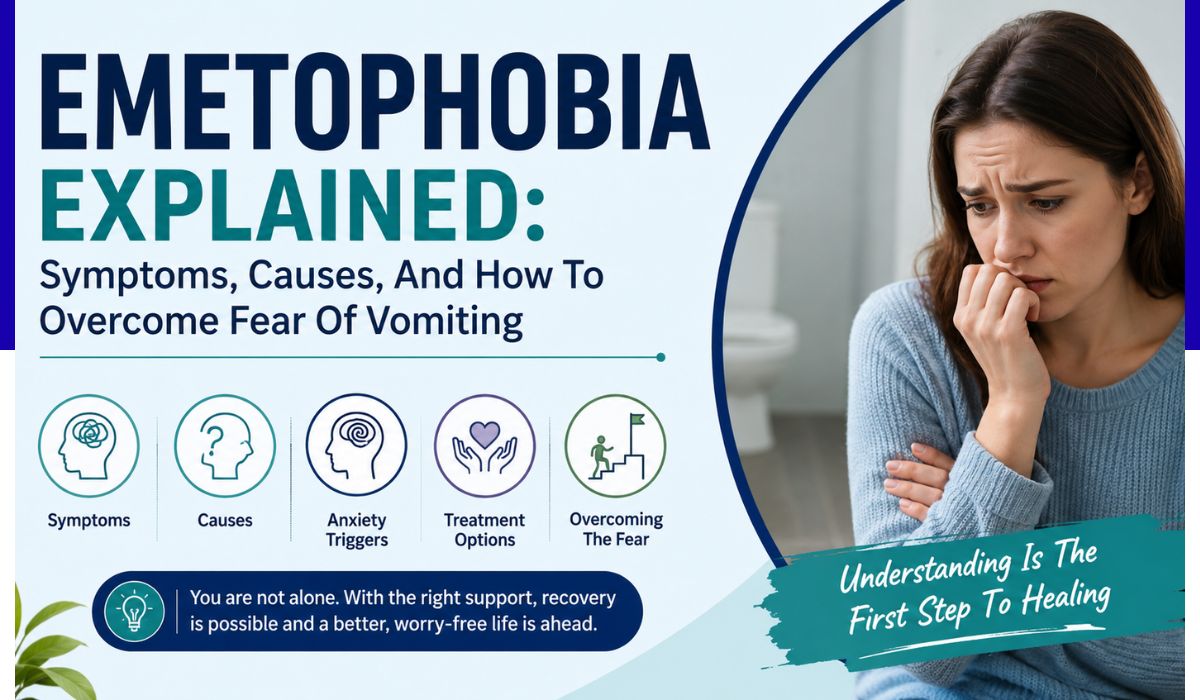
Emetophobia is far more than simply disliking vomiting. Many people hate being sick, but emetophobia is an intense and overwhelming fear of vomiting, seeing others vomit, hearing vomiting sounds, or even feeling slightly nauseated. For some people, the fear becomes so powerful that it controls everyday decisions, eating habits, travel plans, relationships, and social life.
People living with emetophobia often spend much of their time trying to prevent nausea or vomiting from happening. They may avoid restaurants, crowded places, public transportation, hospitals, unfamiliar foods, and even conversations about illness. In severe cases, the fear can interfere with work, school, parenting, and overall quality of life.
One reason emetophobia feels so exhausting is because anxiety itself can cause stomach discomfort and nausea. This creates a frustrating cycle where fear increases nausea, and nausea increases fear. Many sufferers feel trapped inside constant worry and hypervigilance.
The good news is that emetophobia is treatable. With the right understanding, coping tools, and professional support, many people learn how to reduce their anxiety and regain control of their lives.
Quick Bio Information About Emetophobia
| Topic | Helpful Information |
|---|---|
| Medical Name | Emetophobia |
| Meaning | Intense Fear Of Vomiting |
| Disorder Type | Specific Phobia |
| Main Emotion | Anxiety And Panic |
| Common Trigger | Nausea Or Stomach Discomfort |
| Physical Symptoms | Sweating, Fast Heartbeat, Nausea |
| Mental Symptoms | Catastrophic Thinking |
| Common Age Of Onset | Childhood Or Teenage Years |
| Affects Adults? | Yes |
| Affects Children? | Yes |
| Related Conditions | OCD, Panic Disorder, Social Anxiety |
| Common Avoidance | Restaurants And Travel |
| Fear Focus | Vomiting In Public |
| Treatment Options | CBT And ERP Therapy |
| Recovery Possible? | Yes |
| Medication Sometimes Used? | Yes |
| Can Anxiety Cause Nausea? | Very Common |
| Does Anxiety Always Cause Vomiting? | No |
| Long-Term Impact | Social And Emotional Stress |
| Best Early Step | Seeking Professional Support |
What Is Emetophobia?
Emetophobia is a specific anxiety disorder centered around the fear of vomiting. The fear may involve vomiting personally, seeing someone else vomit, or even hearing or reading about vomiting. While some people fear illness itself, others fear embarrassment, loss of control, choking, or being unable to escape a situation.
Unlike ordinary discomfort around vomiting, emetophobia creates intense emotional distress and long-term avoidance behaviors. Many people with this condition know their fear feels excessive, yet they still struggle to control it. Even mild nausea or stomach sensations can trigger panic.
The condition affects both adults and children and may develop gradually or suddenly. Some people remember a traumatic vomiting experience from childhood, while others cannot identify a clear starting point. Over time, avoidance becomes stronger, and the fear slowly expands into more areas of life.
Common Symptoms Of Emetophobia
The symptoms of emetophobia can affect both the mind and body. Emotionally, many people experience constant worry about getting sick. They may panic when feeling nauseated or obsessively monitor their body for signs of illness. Even hearing someone mention a stomach bug can trigger anxiety.
Physical symptoms often include sweating, shaking, dizziness, stomach cramps, rapid heartbeat, and loss of appetite. Ironically, anxiety-related nausea becomes one of the biggest triggers for the phobia itself.
Behavioral symptoms are usually the most noticeable. Some people avoid eating outside the home, refuse unfamiliar foods, or repeatedly check food expiration dates. Others avoid hospitals, schools, airplanes, parties, or public transportation. In severe cases, people may isolate themselves socially to reduce perceived risk.
Because emetophobia is strongly linked to anxiety, symptoms often worsen during stressful periods of life.
Signs You May Have A Fear Of Vomiting
Many people with emetophobia do not realize their fear has become a phobia. They may think they are simply “careful” or “sensitive.” However, certain behaviors often signal that the fear has become excessive.
A person may constantly search for bathrooms when entering public places, carry anti-nausea medicine everywhere, or avoid social gatherings where alcohol is present. Some individuals repeatedly wash their hands or clean surfaces to avoid germs. Others overcook food, avoid buffets, or refuse to eat meals prepared by strangers.
Children with emetophobia may avoid school or become distressed when classmates feel sick. Adults may turn down travel opportunities or avoid relationships because they fear exposure to illness.
The biggest warning sign is when the fear begins controlling daily choices and reducing quality of life.
What Causes Emetophobia?
There is no single cause of emetophobia. In many cases, the condition develops after a distressing vomiting experience, especially during childhood. A person may have become sick in public, experienced severe food poisoning, or witnessed someone vomiting in a frightening situation.
Genetics and personality traits may also play a role. People who naturally struggle with anxiety, perfectionism, or a strong need for control may be more vulnerable. Some individuals develop emetophobia alongside obsessive-compulsive behaviors or health anxiety.
Family influence can contribute as well. Children who grow up around highly anxious reactions to illness may become more fearful themselves. Media coverage about stomach viruses and contamination can also reinforce fears.
Modern research continues to explore the connection between the gut-brain system and anxiety disorders, showing that stress and digestive symptoms are deeply connected.
How Anxiety And Nausea Create A Vicious Cycle
One of the most important things to understand about emetophobia is the relationship between anxiety and stomach discomfort. Anxiety activates the body’s fight-or-flight response, which changes digestion and increases physical tension.
This stress response can lead to nausea, bloating, stomach tightness, loss of appetite, and digestive discomfort. For someone with emetophobia, even mild nausea feels dangerous and alarming.
Once nausea appears, fear increases dramatically. The person begins scanning for signs of vomiting, which raises anxiety even more. That added anxiety intensifies stomach symptoms, creating a self-reinforcing cycle.
This cycle explains why many people with emetophobia feel trapped inside constant fear. The body’s normal stress response becomes misinterpreted as evidence of illness.
Everyday Ways Emetophobia Can Affect Life
Emetophobia often reaches far beyond occasional fear. It can shape everyday routines and major life decisions. Some people refuse to travel because they fear motion sickness or food poisoning. Others avoid restaurants, weddings, or public events where vomiting might occur.
Relationships may also suffer. People with emetophobia sometimes struggle with intimacy, parenting concerns, or caring for sick family members. Some women fear pregnancy because of morning sickness.
School and work performance can decline due to chronic anxiety and avoidance. Social isolation is also common, especially when individuals fear crowded environments or contagious illness.
Over time, the constant mental effort of preventing vomiting becomes emotionally exhausting and may contribute to depression or burnout.
Common Triggers That Worsen Emetophobia
Triggers vary from person to person, but certain situations commonly increase fear. News stories about stomach viruses can create panic. Motion sickness, pregnancy nausea, alcohol-related vomiting, and food poisoning stories may also trigger distress.
Crowded places are difficult for many sufferers because they fear being trapped if nausea appears suddenly. Hospitals, clinics, and schools may feel especially threatening due to possible exposure to illness.
Movies or television scenes involving vomiting are another common trigger. Some people even avoid hearing words associated with sickness.
Because triggers are everywhere in daily life, avoidance becomes difficult to maintain long-term, which often increases stress and hypervigilance.
Mental Health Conditions Linked To Emetophobia
Emetophobia frequently overlaps with other anxiety-related conditions. Many people experience panic disorder, generalized anxiety, or obsessive-compulsive tendencies alongside their fear of vomiting.
Some individuals develop restrictive eating patterns because they fear nausea after meals. While this can resemble eating disorders, the motivation is often fear of vomiting rather than body image concerns.
Sleep problems are also common because anxiety increases at night when distractions are limited. Chronic stress can leave sufferers physically and emotionally drained.
Understanding these overlapping conditions is important because effective treatment usually addresses the full anxiety pattern rather than vomiting fears alone.
How Emetophobia Is Diagnosed
Mental health professionals diagnose emetophobia based on symptoms, avoidance behaviors, and how much the fear interferes with life. There is no laboratory test for the condition.
A therapist may ask questions about triggers, eating habits, panic symptoms, and avoidance patterns. They also explore whether other anxiety disorders or OCD symptoms are present.
Diagnosis is important because many sufferers spend years hiding their fears or assuming they are alone. Receiving a clear explanation often brings relief and opens the door to effective treatment.
Early intervention can help prevent the phobia from becoming more severe over time.
Best Treatments For Emetophobia
The most effective treatments for emetophobia usually involve therapy, especially Cognitive Behavioral Therapy and Exposure And Response Prevention.
CBT helps people recognize unhealthy thought patterns and catastrophic thinking. Many sufferers overestimate the likelihood and danger of vomiting. Therapy teaches them how to challenge these fears more realistically.
ERP therapy focuses on gradually facing feared situations without using safety behaviors. A person may slowly practice saying the word “vomit,” watching movie scenes involving illness, or eating feared foods in a controlled environment.
Treatment moves step by step and is carefully tailored to the individual. The goal is not to force vomiting but to reduce fear and build tolerance for uncertainty.
Practical Coping Strategies For Daily Life
Daily coping strategies can support recovery and reduce anxiety symptoms. Breathing exercises and mindfulness techniques help calm the nervous system during moments of panic. Learning to sit with mild discomfort instead of immediately escaping can also weaken fear over time.
Reducing excessive reassurance-seeking is another important step. Constantly checking symptoms or asking others for reassurance may temporarily reduce anxiety, but it strengthens fear long-term.
Regular meals, healthy sleep habits, hydration, and stress management are also helpful because physical exhaustion can worsen anxiety sensitivity.
Many therapists encourage journaling to track triggers, thoughts, and progress throughout recovery.
Understanding Exposure Therapy
Exposure therapy may sound intimidating at first, but it is one of the most effective treatments for specific phobias. The process involves gradually facing feared situations in safe and manageable ways.
For example, someone may first read the word “vomit,” then later discuss nausea openly, watch movie clips, or eat at a restaurant. Over time, the brain learns that anxiety naturally decreases without avoidance.
The purpose is not to eliminate all discomfort from life. Instead, therapy helps people build confidence in their ability to handle uncertainty and physical sensations without panic.
Small repeated exposures often create significant long-term improvement.
When To Seek Professional Help
Professional support is important when emetophobia begins interfering with normal life. Warning signs include severe food restriction, panic attacks, school refusal, work difficulties, social isolation, or constant fear surrounding illness.
Some people delay treatment because they feel embarrassed or misunderstood. However, emetophobia is a recognized anxiety disorder, and therapists who specialize in anxiety and OCD-related conditions can provide meaningful support.
Seeking help early often leads to better outcomes and prevents the fear from becoming more deeply ingrained.
Recovery And Long-Term Outlook
Recovery from emetophobia is possible, although it usually takes patience and consistent effort. Progress often happens gradually rather than overnight. Many people experience setbacks during stressful periods, but improvement is still achievable.
The most successful recoveries usually involve learning how to tolerate uncertainty instead of trying to eliminate all risk. Vomiting is an unpleasant but normal human experience, and therapy helps reduce the exaggerated fear attached to it.
With time, people often regain freedom to travel, eat socially, attend events, and enjoy life without constant fear.
FAQs About Emetophobia
Is Emetophobia Common?
Emetophobia is more common than many people realize, although it is often underdiagnosed because sufferers feel embarrassed discussing it.
Can Anxiety Cause Nausea Without Vomiting?
Yes. Anxiety frequently causes nausea, stomach discomfort, bloating, and digestive upset without leading to vomiting.
Is Emetophobia An Eating Disorder?
Not usually. While some people restrict food intake, the fear is generally focused on vomiting rather than body image or weight.
What Is The Best Therapy For Emetophobia?
Cognitive Behavioral Therapy and Exposure And Response Prevention are considered the most effective treatments for emetophobia.
Can Children Develop Emetophobia?
Yes. Many cases begin during childhood after illness, stressful experiences, or exposure to anxiety around sickness.
Does Emetophobia Ever Go Away?
Many people improve significantly with treatment and consistent practice. Recovery is very possible with proper support.
Can Medication Help Emetophobia?
Medication may help reduce severe anxiety symptoms in some individuals, especially when combined with therapy.
How Long Does Recovery Take?
Recovery time varies from person to person. Some people improve within months, while others benefit from longer-term therapy and gradual exposure work.
Recommended For You: Pulled Muscle In Back: Causes, Symptoms, And Simple Ways To Heal Faster