
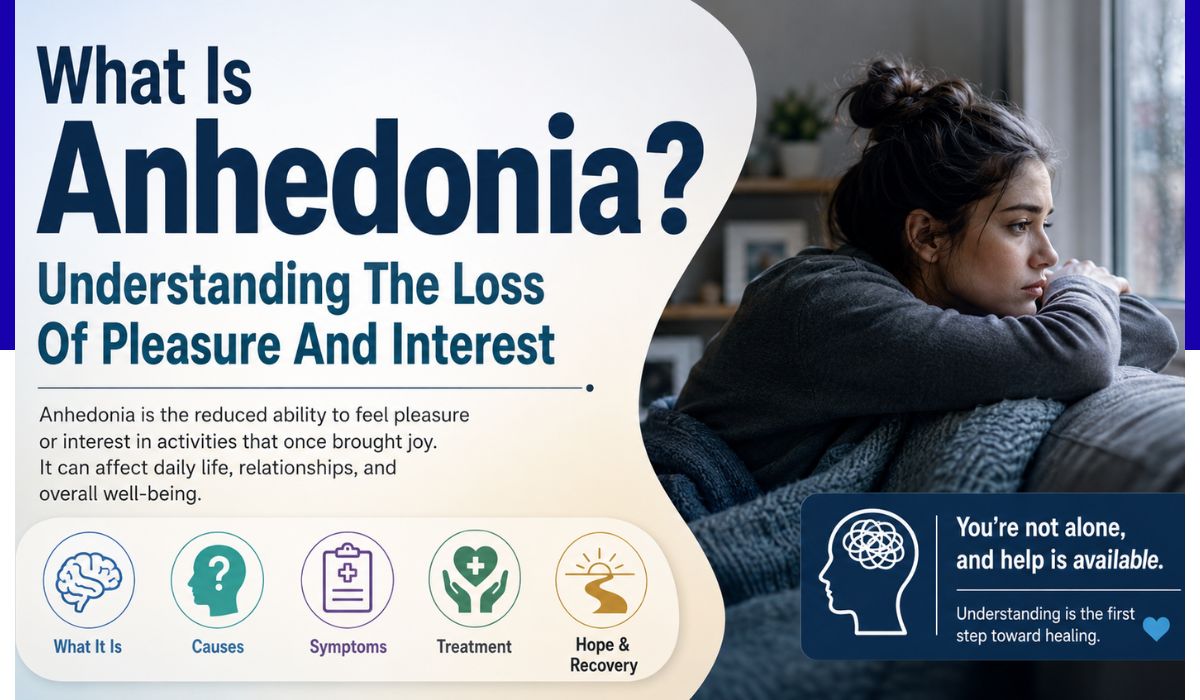
Most people experience periods when they feel tired, stressed, or less enthusiastic about their usual activities. However, when the ability to enjoy life begins to disappear entirely, something more serious may be happening. This experience is known as Anhedonia, a condition characterized by a reduced ability or complete inability to feel pleasure from activities that once brought happiness and satisfaction.
Anhedonia can affect many areas of life, including relationships, work, hobbies, food, music, and physical intimacy. It is often associated with mental health conditions such as depression, but it can also occur alongside neurological disorders, chronic illnesses, and substance use disorders. Understanding Anhedonia is important because it can significantly impact emotional well-being and quality of life. Fortunately, effective treatments and coping strategies are available.
Quick Bio Information About Anhedonia
| Fact | Information |
|---|---|
| Medical Term | Anhedonia |
| Meaning | Inability To Feel Pleasure |
| Category | Symptom, Not A Disease |
| Main Feature | Loss Of Interest And Enjoyment |
| Commonly Linked To | Depression |
| Social Type | Reduced Enjoyment Of Social Interaction |
| Physical Type | Reduced Enjoyment Of Physical Experiences |
| Brain System Involved | Reward System |
| Key Neurotransmitter | Dopamine |
| Additional Neurotransmitters | Serotonin, Glutamate, Endorphins |
| Common Emotion | Emotional Numbness |
| Affects Relationships | Yes |
| Affects Motivation | Often |
| Affects Work Performance | Frequently |
| Affects Sleep | Can Occur |
| Affects Appetite | Sometimes |
| Diagnosed By | Healthcare Professional |
| Main Treatments | Therapy And Medication |
| Recovery Possible | Yes |
| Prevention | No Guaranteed Prevention |
What Is Anhedonia?
Anhedonia refers to a diminished ability to experience pleasure, enjoyment, or interest in activities that are typically rewarding. The term comes from Greek words meaning “without pleasure.” While everyone occasionally loses interest in certain activities, Anhedonia goes beyond normal changes in mood or preferences.
People with Anhedonia often describe feeling emotionally numb or disconnected. Activities they once loved may seem meaningless, and positive experiences may no longer produce feelings of happiness or excitement. The condition is considered a symptom rather than a standalone disease and is commonly linked to several mental and physical health conditions.
How Common Is Anhedonia?
Anhedonia is more common than many people realize. It is one of the core symptoms of Major Depressive Disorder and frequently appears in Bipolar Disorder, Schizophrenia, Post-Traumatic Stress Disorder, and various neurological conditions.
Research suggests that millions of people worldwide experience some degree of Anhedonia. Because many individuals struggle to describe their symptoms or may mistake them for stress or burnout, the condition is often underrecognized. Awareness has increased in recent years as researchers learn more about the brain’s reward system and its role in emotional health.
What Does Anhedonia Feel Like?
Living with Anhedonia can be difficult because the condition affects both emotions and motivation. Many people report feeling as though life has lost its color or excitement. They may remember enjoying certain activities in the past but find themselves unable to experience the same feelings anymore.
Simple pleasures such as listening to music, spending time with family, watching a favorite movie, eating a favorite meal, or celebrating achievements may feel emotionally flat. Some people describe a sense of emptiness, while others feel detached from themselves and the people around them. These experiences can lead to frustration, confusion, and feelings of isolation.
Types Of Anhedonia
Experts generally recognize two primary forms of Anhedonia. Social Anhedonia involves a reduced ability to enjoy social interactions and relationships. People experiencing this type may withdraw from friends and family, avoid gatherings, or feel disconnected during conversations.
Physical Anhedonia affects pleasure derived from physical sensations and experiences. This can include reduced enjoyment of food, music, exercise, touch, affection, and sexual activity.
Researchers also distinguish between Anticipatory Anhedonia and Consummatory Anhedonia. Anticipatory Anhedonia involves difficulty looking forward to enjoyable experiences, while Consummatory Anhedonia refers to difficulty experiencing pleasure in the moment. Understanding these differences helps healthcare professionals better assess symptoms and treatment needs.
Common Signs And Symptoms Of Anhedonia
The symptoms of Anhedonia can vary from person to person. Emotional symptoms often include numbness, sadness, hopelessness, and a lack of excitement. Behavioral changes may involve withdrawing from hobbies, avoiding social activities, or losing interest in previously enjoyable routines.
Many people experience reduced motivation, difficulty concentrating, low energy levels, and changes in sleep patterns. Appetite changes may also occur, with some individuals eating less because food no longer feels enjoyable, while others may overeat in an attempt to find satisfaction.
In relationships, Anhedonia can create emotional distance because affection, intimacy, and social interactions may no longer feel rewarding. This can sometimes be misunderstood by loved ones, leading to additional stress.
What Causes Anhedonia?
Anhedonia is closely connected to the brain’s reward system. Scientists believe that disruptions in the way the brain processes rewards play a central role in the condition. Dopamine, often called the “feel-good” neurotransmitter, is particularly important because it helps regulate motivation, pleasure, and reward-seeking behavior.
When dopamine pathways are altered, activities that would normally feel rewarding may no longer produce the same emotional response. However, Dopamine is only part of the story. Other neurotransmitters, including Serotonin, Glutamate, and Endorphins, also influence how pleasure is experienced.
Stress, trauma, chronic illness, genetic factors, inflammation, sleep disturbances, and substance misuse may all contribute to the development of Anhedonia.
Health Conditions Associated With Anhedonia
Anhedonia is most commonly linked to Major Depressive Disorder, where it serves as one of the defining symptoms. However, it also appears in many other conditions.
People with Bipolar Disorder may experience Anhedonia during depressive episodes. Individuals with Schizophrenia often experience it as part of the condition’s negative symptoms. Post-Traumatic Stress Disorder can also affect the brain’s ability to experience positive emotions.
Neurological disorders such as Parkinson’s Disease, Traumatic Brain Injury, and some forms of Dementia have been associated with Anhedonia. Researchers are also exploring links between Anhedonia and Chronic Pain Conditions, Long COVID, and certain anxiety disorders.
Anhedonia Vs. Depression
Although Anhedonia is strongly associated with Depression, the two terms are not interchangeable. Depression is a complex mental health condition involving persistent sadness, changes in thinking, physical symptoms, and emotional distress.
Anhedonia is one symptom that may occur within Depression. Some people with Depression experience intense sadness, while others mainly struggle with a loss of pleasure and emotional numbness. It is also possible to experience Anhedonia without meeting the criteria for a diagnosis of Depression.
Understanding this distinction is important because treatment approaches may vary depending on the underlying cause.
How Anhedonia Affects Daily Life
The impact of Anhedonia extends far beyond mood. Work performance may decline because tasks feel less meaningful or rewarding. Academic achievement can suffer due to reduced motivation and concentration.
Relationships often become strained when individuals withdraw emotionally or socially. Family members and friends may not understand why someone suddenly seems distant or uninterested.
Self-care habits may also deteriorate. Activities such as exercising, maintaining healthy routines, cooking meals, or pursuing personal goals can become difficult when pleasure and motivation are diminished. Over time, this can affect physical health, emotional well-being, and overall quality of life.
How Doctors Diagnose Anhedonia
There is no single test that can diagnose Anhedonia. Healthcare providers typically begin by discussing symptoms, emotional experiences, and medical history. They may ask detailed questions about changes in mood, interests, motivation, and daily functioning.
A physical examination and laboratory tests may be recommended to rule out medical causes that can affect mental health, such as Thyroid Disorders, Vitamin Deficiencies, or Hormonal Imbalances.
Mental health professionals may also use standardized assessment tools to evaluate symptoms and determine whether Anhedonia is related to Depression, Anxiety Disorders, Bipolar Disorder, or another underlying condition.
Treatment Options For Anhedonia
Treatment for Anhedonia focuses on addressing its underlying cause. Cognitive Behavioral Therapy is one of the most commonly recommended approaches. This form of therapy helps individuals identify negative thought patterns and gradually reconnect with rewarding activities.
Medications may be prescribed when Anhedonia is associated with Depression, Bipolar Disorder, Schizophrenia, or other mental health conditions. Depending on the diagnosis, healthcare providers may recommend Antidepressants, Antipsychotics, or other medications.
For individuals who do not respond to traditional treatments, advanced options such as Ketamine Therapy, Transcranial Magnetic Stimulation, and Electroconvulsive Therapy may provide relief. These treatments continue to gain attention due to their potential to improve symptoms related to treatment-resistant Depression and severe Anhedonia.
Self-Help Strategies And Lifestyle Changes
Professional treatment is often important, but lifestyle changes can also support recovery. Regular physical activity may help improve mood by stimulating the release of Dopamine and other beneficial brain chemicals.
Healthy sleep habits are equally important because poor sleep can worsen emotional symptoms and interfere with the brain’s reward system. Maintaining social connections, even when motivation is low, can help reduce isolation and support emotional well-being.
Mindfulness practices, stress management techniques, balanced nutrition, and structured daily routines may also contribute to improved mental health. While these strategies are not substitutes for medical care, they can complement professional treatment and enhance overall recovery.
Can Anhedonia Be Prevented?
There is currently no guaranteed way to prevent Anhedonia. However, maintaining good mental and physical health may reduce the risk. Managing stress effectively, seeking help for emotional difficulties early, staying physically active, and nurturing healthy relationships can all support emotional resilience.
Addressing mental health concerns before they become severe may also help reduce the likelihood of long-term symptoms. Early intervention often leads to better outcomes and a smoother recovery process.
When Should You Seek Professional Help?
It is important to seek professional help if the loss of pleasure persists for several weeks or begins interfering with daily life. Warning signs include social withdrawal, declining work or school performance, loss of interest in meaningful activities, significant mood changes, and feelings of hopelessness.
Immediate support should be sought if symptoms are accompanied by thoughts of self-harm or suicide. Early treatment can prevent symptoms from worsening and improve the chances of recovery.
Conclusion
Anhedonia is far more than simple boredom or a temporary loss of interest. It is a significant symptom that affects the ability to experience pleasure, joy, and emotional connection. Whether linked to Depression, Bipolar Disorder, Schizophrenia, Parkinson’s Disease, or another condition, Anhedonia can have a profound impact on everyday life.
The good news is that recovery is possible. Advances in mental health research continue to improve our understanding of the brain’s reward system and the treatments available. Through professional support, healthy lifestyle habits, and early intervention, many people regain their ability to enjoy life and reconnect with the experiences that matter most. If you or someone you know is struggling with persistent loss of pleasure or interest, seeking help is an important and worthwhile first step toward feeling better.
FAQs About Anhedonia
Is Anhedonia A Mental Illness?
Anhedonia itself is not considered a mental illness. It is a symptom that can occur as part of several mental health and neurological conditions. Identifying the underlying cause is essential for effective treatment.
Can Anxiety Cause Anhedonia?
Yes. Chronic Anxiety can interfere with the brain’s reward system and emotional processing. Some individuals with severe Anxiety Disorders experience reduced enjoyment and emotional numbness similar to Anhedonia.
How Long Does Anhedonia Last?
The duration varies depending on the cause, severity, and treatment. Some people improve within weeks, while others may require longer-term treatment and support.
Can Anhedonia Go Away On Its Own?
In some mild cases, symptoms may improve when stressors are resolved. However, persistent Anhedonia often requires professional evaluation because it is frequently linked to underlying health conditions.
Is Anhedonia Reversible?
Many people experience significant improvement with proper treatment. Recovery often involves a combination of therapy, medication, lifestyle changes, and management of the underlying condition.
Can Antidepressants Cause Emotional Numbness?
Some antidepressants may contribute to emotional blunting in certain individuals. If this occurs, healthcare providers can adjust treatment plans to help balance symptom relief with emotional responsiveness.
What Is The Difference Between Apathy And Anhedonia?
Apathy refers to a lack of motivation or interest in taking action, while Anhedonia refers to a reduced ability to experience pleasure. Although they often occur together, they are distinct symptoms.
Is Anhedonia A Sign Of Depression?
Anhedonia is one of the hallmark symptoms of Major Depressive Disorder. However, it can also occur in several other mental health and neurological conditions, making a professional assessment important.
Recommended For You: Rose Toy Explained: What It Is And Why It Went Viral On TikTok